

LPG Shortage in India: India’s hospitality sector is facing a major disruption as a shortage of commercial LPG cylinders begins to affect restaurants and hotels across several major cities. Establishments in Mumbai, Bengaluru, Hyderabad and Delhi have warned that operations could be interrupted if cooking gas supplies do not stabilise soon. The situation has emerged amid global energy disruptions triggered by the ongoing conflict in West Asia involving Iran, the United States and Israel.
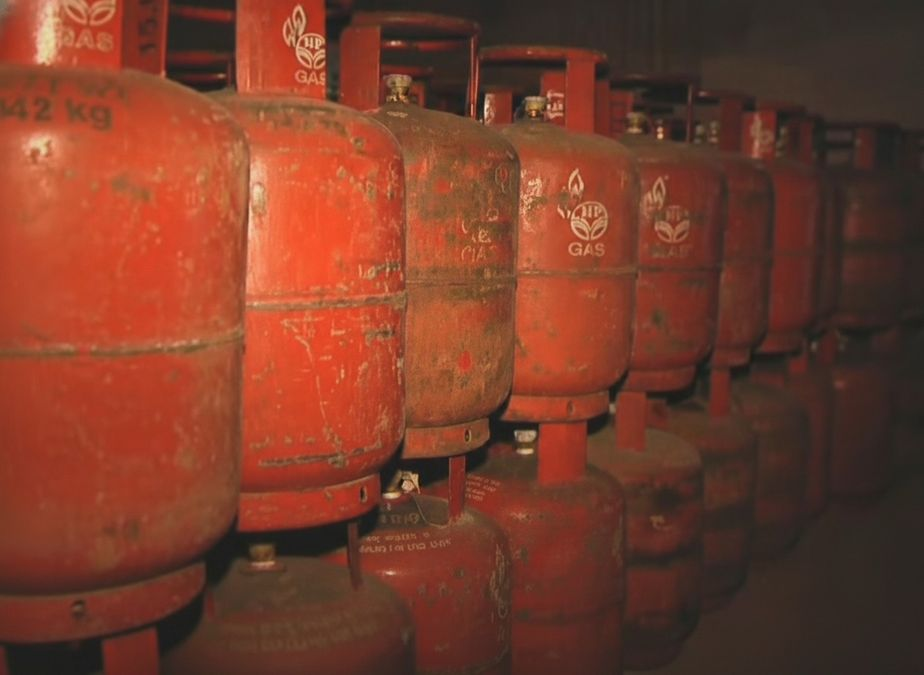
The shortage has started creating pressure on the restaurant industry because most food businesses depend on regular LPG deliveries to keep their kitchens operational. Unlike households, restaurants rarely maintain large reserves of cooking gas. As a result, many eateries are already adjusting their services. Some have reduced menu items, while others are cutting operating hours or considering temporary closures until supply improves.
Industry associations have expressed serious concern about the developing situation. In Bengaluru, hotel bodies have indicated that many restaurants could suspend operations if gas supplies remain restricted. In Mumbai, hospitality representatives have said that around 20 percent of hotels have already stopped operations, and the number could increase significantly within the next few days if the shortage continues.
The impact of the LPG crisis could also extend to the online food delivery ecosystem. Platforms such as Swiggy and Zomato depend on thousands of restaurants for daily orders. If kitchens struggle to maintain normal cooking operations, customers may experience longer delivery times and reduced menu options. Students, office workers and medical professionals who rely on food delivery services could be particularly affected.
In response to the growing crisis, the Indian government has taken several steps aimed at stabilising LPG supply and preventing hoarding. Authorities have extended the minimum booking interval for LPG cylinders from 21 days to 25 days in order to regulate demand and ensure fair distribution. Officials said the decision was taken after unusual booking patterns were noticed, suggesting that some consumers may have been stockpiling cylinders.
Refineries across the country have also been instructed to increase LPG production to ease the pressure on supply chains. At the same time, oil marketing companies have been directed to prioritise domestic household consumers over commercial users such as restaurants and hotels. Government officials emphasised that ensuring cooking gas availability for households remains the top priority during the current supply crisis.
To monitor the situation closely, the Ministry of Petroleum has formed a three-member committee consisting of senior executives from oil marketing companies. The panel will review requests from hotels, restaurants and other commercial establishments and evaluate ways to manage supply distribution more effectively.
LPG Cylinder Price Hike Across Major Cities
Amid the supply pressure, oil marketing companies recently increased the price of domestic LPG cylinders by ₹60 per cylinder.
LPG Price List – 14.2 kg Cylinder (March 2026)
| City | Price |
|---|---|
| Bengaluru | ₹915.60 |
| Chennai | ₹928.50 |
| Delhi | ₹913.00 |
| Hyderabad | ₹965.00 |
| Kolkata | ₹939.00 |
| Mumbai | ₹912.50 |
The price hike reflects rising global energy costs linked to geopolitical tensions.
Energy analysts say the shortage is closely tied to disruptions in global oil and gas transportation routes. India consumes about 31.3 million tonnes of LPG each year, and nearly 62 percent of that supply is imported. A large portion of these imports normally passes through the Strait of Hormuz, a crucial maritime corridor in the Middle East. The ongoing conflict in the region has created uncertainty in shipping routes, tightening supplies across Asian markets.
The Strait of Hormuz handles roughly one-fifth of the world’s oil trade and a similar share of global liquefied natural gas shipments. With tensions escalating in the region, shipping activity has slowed and crude oil prices have surged above $119 per barrel. Several Gulf producers have also reduced output due to disruptions. Iraq recently cut production at its major southern oilfields, while Kuwait Petroleum Corporation has also lowered output and declared force majeure on certain shipments.
These developments have tightened fuel availability across the region, and Asian economies that rely heavily on imported energy are feeling the impact. India is among the countries most affected because of its large LPG consumption and dependence on international supply chains.
Officials have indicated that India is now exploring alternative supply partnerships to reduce dependence on Middle Eastern routes. Discussions are underway with countries such as Algeria, Australia, Canada and Norway to secure additional LPG imports. Diversifying supply sources could help ease pressure on domestic markets if disruptions in West Asia continue.
The effects of the shortage are also being felt in other sectors. In Pune, municipal authorities have temporarily shut down gas-based crematoriums because propane and butane supplies are being prioritised for domestic use. Civic officials stated that these facilities will remain closed until the supply situation improves.
Meanwhile, the aviation sector is also under pressure due to rising fuel costs linked to the West Asia crisis. Airlines in India have already cancelled more than a thousand flights and are facing steep operational costs as crude oil prices rise and international routes face disruptions.

Experts say the current LPG shortage highlights how deeply global geopolitical tensions can affect domestic energy availability. While the government’s immediate focus is on ensuring household cooking gas supply, commercial sectors such as restaurants may continue to experience temporary disruptions until global supply chains stabilise.
For now, the hospitality industry remains cautious as it waits for clarity on future LPG availability. If international tensions ease and new supply arrangements begin to take effect, the situation could gradually improve. However, if disruptions in the Strait of Hormuz continue, India’s energy market may remain under pressure for some time.
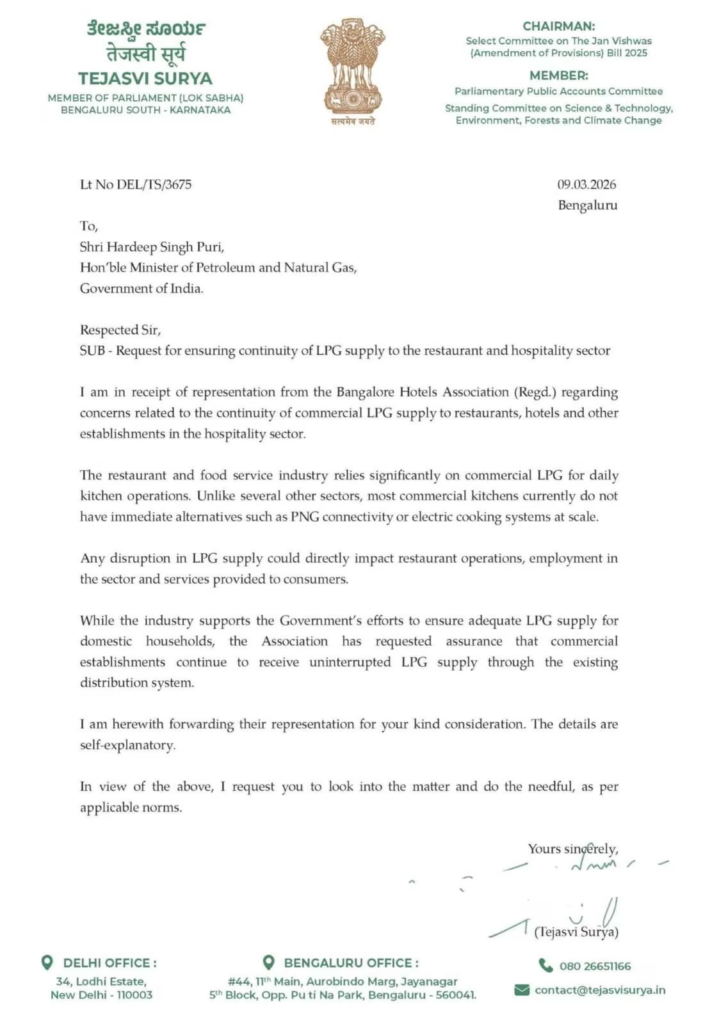
BJP MP Tejasvi Surya writes to Ministry requesting supply to restaurants
BJP MP from Bengaluru South Tejasvi Surya has written to Union Petroleum Minister Hardeep Singh Puri, urging the government to ensure continued supply of LPG to the restaurant and hospitality sector amid the ongoing shortage. In his letter, Surya highlighted that restaurants, hotels and food establishments provide essential services to thousands of people, including office workers, students, hospital staff and travellers who depend on them for daily meals. He requested the ministry to consider the operational challenges faced by the hospitality industry and take immediate steps to maintain a steady supply of cooking gas so that businesses can continue functioning without disruption.
Summary / Key Highlights:
India is facing a growing shortage of commercial LPG cylinders as global energy supply chains are disrupted by the West Asia conflict. Restaurants and hotels in cities such as Mumbai, Bengaluru and Hyderabad have warned of possible shutdowns due to limited cooking gas availability. The government has extended LPG booking intervals, increased refinery production and prioritised household supply to stabilise the market. LPG cylinder prices have also risen by ₹60 across major cities. India is now exploring alternative LPG imports from countries like Algeria, Australia, Canada and Norway to reduce dependence on Middle Eastern supply routes.