

Sarah Baloch Viral MMS : Sarah Baloch’s name has recently taken over social media timelines after claims of a leaked private MMS video began circulating online. The alleged video quickly went viral across WhatsApp groups, Telegram channels, Facebook pages, and X (formerly Twitter), sparking curiosity and controversy. However, investigations and cyber experts have made it clear that the viral content is not authentic. Instead, it is part of a dangerous online scam designed to exploit users and steal sensitive personal data.
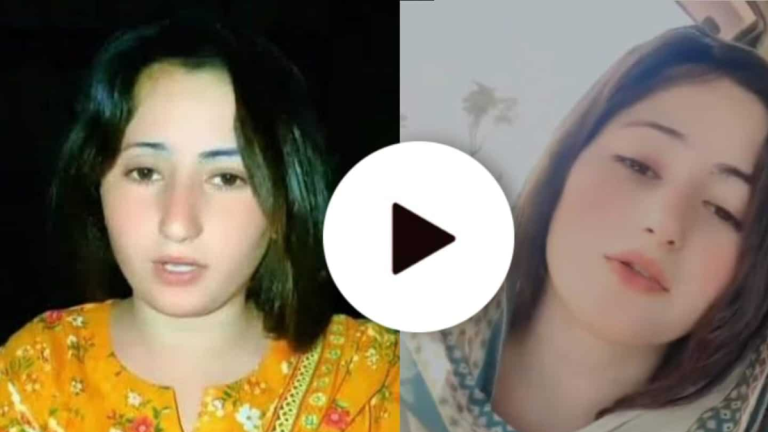
Sarah Baloch is known as a Pakistani social media influencer who shares lifestyle content, fashion clips, and short videos on platforms like Instagram and TikTok. She has built a digital presence through engaging reels and relatable posts. In recent days, several hashtags carrying her name started trending, promising access to an “exclusive leaked video.” Many users clicked on these links without verifying their authenticity, unknowingly exposing themselves to cyber threats.
Reports suggest that the viral links first gained traction in certain regions where they were widely forwarded in private messaging groups. The links typically feature blurred thumbnails and bold captions claiming to reveal a private video. This tactic is commonly used in cyber scams to generate urgency and curiosity. The more sensational the claim, the higher the number of clicks.
Cybersecurity sources confirm that there is no verified leaked video of Sarah Baloch. The content being circulated appears to be manipulated material created by editing together older publicly available clips. Scammers are simply using her name to drive traffic toward malicious websites. The objective is not to expose a celebrity but to trap unsuspecting users.
Clicking on these suspicious links can have serious consequences. Experts warn that such websites may automatically install malware on a user’s device. This malware can gain access to banking details, OTP messages, passwords, personal photographs, and confidential documents within minutes. In extreme cases, victims may lose money from their bank accounts or have their social media profiles hijacked.
Authorities are treating the matter seriously and have advised citizens to avoid interacting with unknown links. Sharing such content, even unknowingly, may also attract legal consequences under cybercrime laws. Many people fail to realize that forwarding a malicious link can make them part of the digital chain that spreads fraud.
The rise in fake “leaked video” scandals in 2026 highlights a troubling trend. Scammers are increasingly targeting influencers and public figures because their names attract attention quickly. By attaching a viral personality to a fabricated controversy, cybercriminals ensure rapid engagement. The strategy is simple: create shock value, circulate fake links, collect data, and disappear before victims realize what has happened.
Beyond financial risks, such fake scandals also damage reputations. Even when a video is completely fabricated, the individual involved often faces online harassment and character attacks. Digital misinformation spreads faster than facts, leaving lasting harm.
The Sarah Baloch viral MMS story serves as a reminder of how easily online curiosity can be manipulated. In today’s digital environment, users must think before they click. Avoid downloading files from unknown sources, verify trending claims through credible news outlets, and enable two-factor authentication on important accounts. Staying alert is the only effective defense against evolving cyber threats.
FAQs:
Q1. Who is Sarah Baloch?
Sarah Baloch is a Pakistani social media influencer known for sharing lifestyle, fashion, and short-form video content on platforms like Instagram and TikTok.
Q2. Is Sarah Baloch’s viral MMS video real?
No. There is no verified evidence of any real leaked private video. Cyber experts indicate that the viral content is fake and manipulated.
Q3. Why is her name trending online?
Her name began trending after scammers circulated links claiming to show a private video. These links were widely shared across messaging apps and social media platforms.
Q4. What happens if someone clicks the viral link?
Clicking the link may install malware on the device. This malware can steal banking details, OTPs, passwords, and personal data.
Q5. Is this linked to a larger cyber scam?
Yes. Experts believe the incident is part of a broader trend in 2026 where scammers use influencers’ names to create fake controversies and lure users into clicking malicious links.
Q6. Can sharing the link cause legal trouble?
Yes. Forwarding suspicious or explicit content may attract legal action under cybercrime laws, even if shared unknowingly.
Q7. How can users stay safe from such scams?
Avoid clicking unknown links, verify viral claims from trusted news sources, enable two-factor authentication, and report suspicious content immediately.
Q8. What should someone do if they already clicked the link?
Immediately disconnect from the internet, run a trusted antivirus scan, change all important passwords, and contact your bank if you suspect financial data exposure.