

The Department of Telecommunications (DoT) has tightened its stance on telecom access at major airports, asking Jewar International Airport to allow telecom operators to deploy mobile network infrastructure within its premises. The directive comes just days after a similar intervention at Navi Mumbai International Airport, signalling a broader regulatory push to ensure seamless mobile connectivity at key aviation hubs.
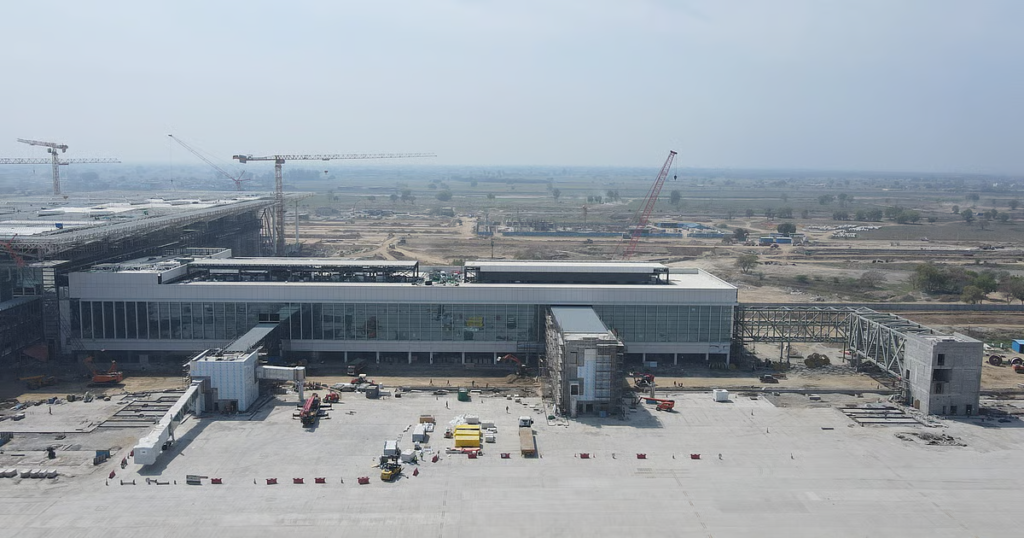
In its letter to Yamuna International Airport Private Limited (YIAPL), the DoT clarified that Noida International Airport qualifies as a “public entity” under the Telecommunications Act, 2023. This classification places clear obligations on the airport operator to grant Right of Way (RoW) permissions to licensed Telecom Service Providers (TSPs). The department stressed that the Telecommunications (Right of Way) Rules, 2024 provide a statutory framework for the establishment, operation, and maintenance of telecom networks, and applications must be processed in a non-discriminatory, fair, and transparent manner within prescribed timelines.
The intervention follows complaints from telecom companies and passengers regarding network access at Navi Mumbai International Airport. Operators had alleged that the airport operator, backed by the Adani Group, insisted on using its exclusive in-building telecom system and demanded steep charges for infrastructure deployment. Industry sources claimed that telecom operators were asked to pay nearly ₹92 lakh per month each, amounting to over ₹44 crore annually for four operators combined.
Telecom companies, represented by the Cellular Operators Association of India (COAI), escalated the issue to the government and the Telecom Regulatory Authority of India (TRAI). TRAI is currently reviewing pricing concerns at the Navi Mumbai airport to determine whether the charges align with regulatory norms.
Under the Telecommunications Act, 2023 and the RoW Rules, 2024, licensed telecom operators are entitled to seek access from public entities that own or manage public property. The law mandates that such access be granted on reasonable and transparent terms. Charges are limited to administrative expenses and actual restoration costs, and cannot be treated as a commercial revenue stream. Experts believe that by categorizing airports as public entities, the DoT has effectively capped pricing in three key areas: modest one-time application fees, reimbursement of actual restoration costs at central or state PWD rates, and compensation only where telecom deployment makes property unusable for other purposes.
For passengers, the issue directly impacts everyday travel. Modern airports rely heavily on digital systems—from boarding passes and app-based taxi bookings to real-time flight updates. Poor mobile connectivity disrupts these services and inconveniences travellers. If the DoT’s directive is implemented swiftly at Noida and Navi Mumbai airports, passengers can expect stronger signals, access to multiple telecom networks, and improved service quality.
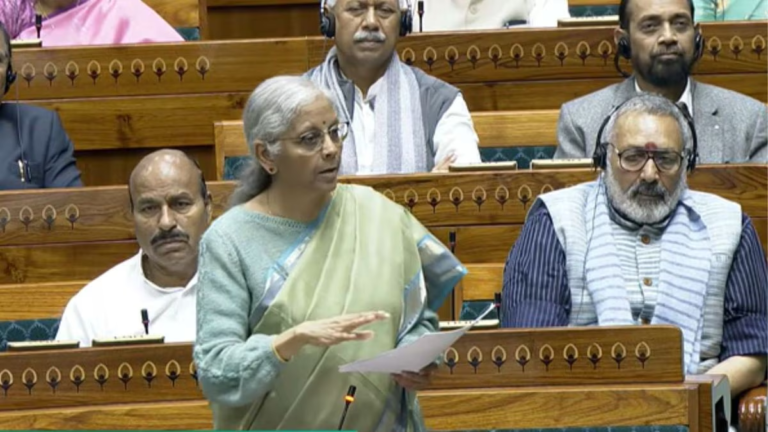
The government’s action sends a strong message that public infrastructure cannot restrict telecom expansion through excessive or discriminatory charges. As India rapidly develops new greenfield airports, ensuring seamless mobile connectivity is becoming as critical as runway capacity and terminal expansion. The DoT’s latest move could set a lasting precedent for how telecom infrastructure is deployed across the country’s major transport hubs.
Summary – Key Highlights:
The DoT has directed Noida International Airport to grant Right of Way permissions to telecom operators under the Telecommunications Act, 2023. Airports have been classified as public entities, requiring them to process RoW applications fairly and transparently. Similar action was taken at Navi Mumbai International Airport following complaints of high charges. TRAI is examining pricing concerns. The move aims to ensure affordable and seamless mobile connectivity for passengers.
Frequently Asked Questions (FAQs)
Q1. Why did the DoT ask Noida International Airport to allow telecom operators?
The Department of Telecommunications (DoT) directed Noida International Airport to grant Right of Way (RoW) permissions to telecom companies under the Telecommunications Act, 2023. The aim is to ensure fair, transparent, and non-discriminatory access for mobile network deployment inside airport premises.
Q2. What is the Telecommunications Act, 2023?
The Telecommunications Act, 2023 is India’s updated legal framework governing telecom services and infrastructure. It allows licensed telecom operators to seek RoW from public entities and restricts excessive commercial charges for deploying telecom infrastructure.
Q3. Why did DoT intervene at Navi Mumbai International Airport earlier?
The DoT previously stepped in at Navi Mumbai International Airport after telecom operators alleged high charges and restrictions for network deployment. The airport is operated by the Adani Group. Operators claimed they were asked to pay nearly ₹92 lakh per month each for infrastructure access.
Q4. What is Right of Way (RoW) in telecom?
Right of Way refers to permission granted to telecom companies to lay cables, install towers, or deploy other infrastructure on public property. The Telecommunications (Right of Way) Rules, 2024 mandate that RoW must be granted on reasonable and transparent terms.
Q5. Who raised concerns about the airport telecom charges?
Telecom operators, represented by the Cellular Operators Association of India (COAI), approached the government and the Telecom Regulatory Authority of India (TRAI) regarding pricing and access issues.
Q6. How will this decision benefit passengers?
Passengers are expected to experience stronger mobile signals, better data connectivity, and access to multiple telecom networks within airport premises. This is crucial for digital boarding passes, cab bookings, and real-time flight updates.
Q7. Can airports charge telecom companies for network deployment?
Yes, but only limited charges are allowed. Under the law, airports can collect administrative fees and actual restoration costs. They cannot treat RoW permissions as a commercial revenue source.
Q8. Is TRAI involved in this matter?
Yes. TRAI is currently examining pricing concerns raised by telecom companies regarding charges at Navi Mumbai International Airport.