

India’s judicial system is entering a new phase as Chief Justice of India Justice Surya Kant signals a decisive shift toward faster, more predictable, and outcome-driven justice. As courts prepare to return to full functioning after the winter recess, the Chief Justice has made it clear that the focus will no longer be on lengthy procedures, but on meaningful resolution of disputes within a reasonable time.
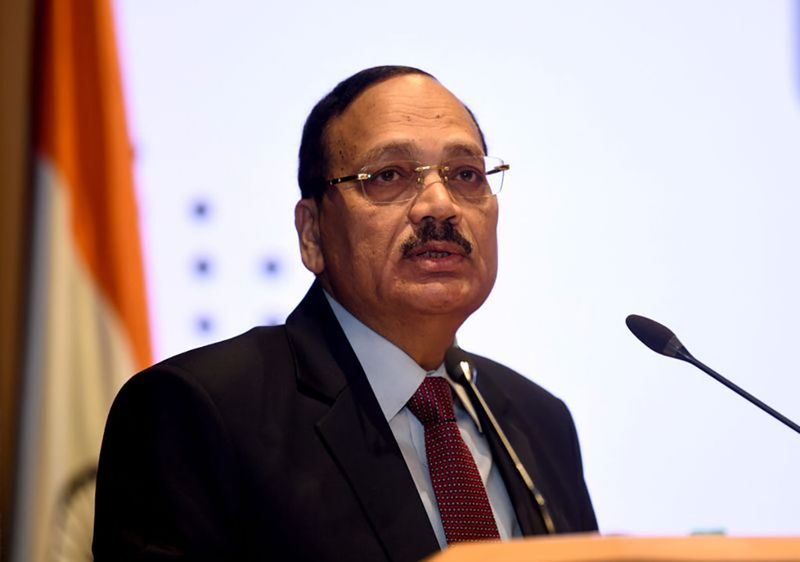
Speaking recently in Chandigarh, Justice Surya Kant said the real challenge before the judiciary is not just the volume of pending cases but the nature of disputes that keep courts tied up for years. He noted that many cases do not require long trials and complex hearings, and that identifying such categories is the first step toward clearing the massive backlog that burdens Indian courts. Once these cases are recognized, the system can move toward faster and more effective solutions.
A key part of this new approach is a stronger push for mediation and negotiated settlements. Justice Surya Kant emphasized that every dispute does not need to go through a full-fledged trial, especially when many issues can be resolved through dialogue and compromise. Mediation, he said, saves time, reduces costs, and helps preserve relationships, making it a far more humane and practical way of delivering justice in suitable cases.
Technology is also playing a growing role in Indian courts, but the Chief Justice was careful to define its limits. While digital tools can help speed up processes and improve efficiency, he stressed that technology must remain a tool, not a replacement for human judgment. According to him, judicial decision-making must always be guided by human reasoning, empathy, and constitutional values, with technology only supporting that process.
For ordinary litigants, these reforms could bring much-needed relief. Justice Surya Kant made it clear that the courts exist for the common citizen, not just for institutions or legal professionals. A justice system that delivers timely outcomes, he said, is essential for restoring public trust and ensuring that people do not suffer endlessly while waiting for their cases to be heard.
The Chief Justice also pointed to a broader shift in judicial thinking. He said that courts must remain connected to social realities and the spirit of the Constitution, ensuring that judgments reflect both legal principles and the lived experiences of the people. This, he believes, will help create a more responsive and socially aware justice system.
Looking ahead, Justice Surya Kant said success will be measured not by the number of hearings or files, but by how many disputes reach meaningful closure. Fewer people waiting endlessly for justice, he said, would be the true sign that the system is moving in the right direction.
With its renewed focus on mediation, smart use of technology, and citizen-centered justice, the Indian judiciary appears to be quietly but firmly reshaping itself. The goal is clear — a justice system that values time as much as truth, and resolution as much as procedure.