

The West Asia crisis intensified dramatically on Monday after Israeli airstrikes on Lebanon killed at least 31 people and injured 149 others, according to Lebanon’s Health Ministry. The bombardment followed a missile attack launched by Hezbollah into northern Israel, an escalation that has pushed an already volatile region closer to a broader war.
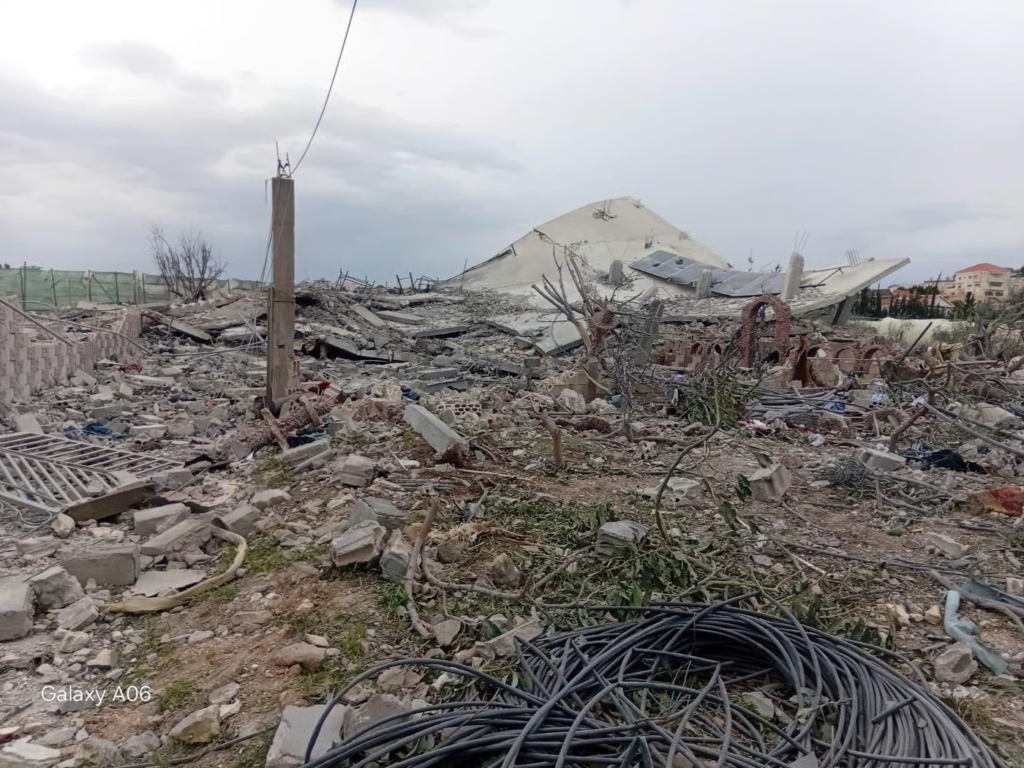
Most of the casualties were reported in southern Lebanon, where towns near the Israeli border bore the brunt of the strikes. Explosions echoed across parts of Beirut as Israeli jets targeted what the military described as Hezbollah infrastructure. Israel said it intercepted at least one incoming projectile, while others landed in open areas without causing casualties. Within hours, the Israeli military ordered civilians in nearly 50 villages in eastern and southern Lebanon to evacuate, triggering panic and long lines of vehicles fleeing the targeted zones.
Hezbollah claimed responsibility for the missile barrage, calling it retaliation for the killing of Iran’s Supreme Leader, Ali Khamenei, during a joint US-Israeli strike over the weekend. The group said it could not remain silent after what it described as repeated Israeli aggression. This marks the first cross-border attack claimed by Hezbollah in more than a year, signaling a sharp escalation in tensions along the Lebanon-Israel frontier.
Iran has also stepped up its counteroffensive, launching missile strikes toward Israel and several Gulf states since Saturday. Iranian officials reported that more than 200 people have been killed in strikes targeting missile sites and naval assets. Senior security figures in Tehran have vowed defiance, insisting that the country will not bow to external pressure or enter negotiations under fire.
The violence has spilled beyond Israel and Lebanon. In Kuwait, fire and smoke were seen rising from inside the US Embassy compound after what officials described as an Iranian attack. Alarms blared as emergency teams responded. The United States had earlier urged Americans in Kuwait to remain indoors and avoid the embassy area. Kuwaiti air defenses intercepted multiple hostile drones for the third straight day, preventing further damage.
The conflict has also claimed American lives. US military officials confirmed that three American service members were killed and five others seriously injured during Iranian retaliatory strikes in the region. The deaths mark a significant turning point, as Washington now faces direct casualties in the escalating confrontation.
Elsewhere, an Iraqi Shiite militia claimed a drone attack targeting US troops at Baghdad airport, widening the scope of retaliation. In Cyprus, a British Royal Air Force base at Akrotiri was struck by a suspected drone, though authorities reported limited damage and no casualties. These incidents underline how rapidly the crisis is expanding across the Middle East and Mediterranean.
Global markets have reacted sharply. Oil prices surged by more than 7 percent as fears grew over disruptions to energy supplies and shipping routes in the Gulf. At least three tankers were damaged off the coast of Oman, and one seafarer was killed when a projectile struck a vessel at sea. Analysts warn that prolonged instability could strain global fuel supplies and trigger further economic volatility.
Amid the military escalation, US President Donald Trump signaled a potential diplomatic opening, saying he was willing to speak with Iran’s new leadership. While he previously urged change within Iran’s government, he now says discussions may be possible. Whether diplomacy can gain traction in the middle of ongoing strikes remains uncertain.
For civilians across Lebanon, Israel, Kuwait, Iraq, and beyond, the crisis is no longer a distant geopolitical struggle. It is a daily reality marked by sirens, smoke-filled skies, and hurried evacuations. As regional powers trade fire and rhetoric hardens, the coming days will determine whether the West Asia crisis spirals into a prolonged regional war or shifts toward fragile negotiations.
Summary – Key Highlights:
At least 31 people were killed and 149 injured in Israeli airstrikes on Lebanon. Hezbollah launched missiles into Israel, citing retaliation for the killing of Ali Khamenei. Iranian counterstrikes have targeted Israel and Gulf states. The US Embassy compound in Kuwait was hit amid ongoing drone attacks. Three US troops were killed in retaliatory strikes. Oil prices surged by over 7 percent as shipping routes faced threats. Donald Trump indicated openness to talks with Iran’s new leadership as the region remains on edge.