

The United States has reportedly asked Sri Lanka not to repatriate Iranian sailors rescued after the sinking of the warship IRIS Dena, along with the crew members of another Iranian naval vessel, IRIS Booshehr. The request comes as tensions continue to escalate in the Indian Ocean following a deadly naval strike earlier this week.
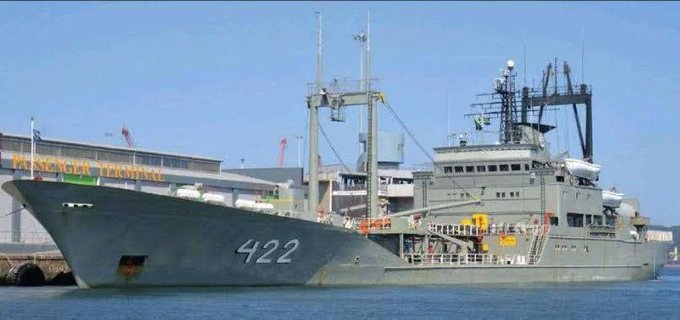
According to reports citing diplomatic communications, Washington believes sending the sailors back to Iran immediately could allow Tehran to use the incident for propaganda during the ongoing conflict. The development has placed Sri Lanka in a sensitive diplomatic situation, as the island nation balances humanitarian obligations with international pressure.
An internal US State Department cable dated March 6 reportedly conveyed Washington’s position to Sri Lankan authorities. In the message, Jayne Howell, the acting head of the US mission in Colombo, advised the Sri Lankan government to avoid repatriating the sailors to Iran. The communication emphasized that the rescued crew members should not become tools for Iranian messaging during the conflict. Diplomatic discussions also reportedly included questions about possible engagement with the sailors, including the potential for encouraging defections.
The controversy began after the Iranian warship IRIS Dena was sunk in the Indian Ocean earlier this week. The vessel was reportedly returning to Iran after participating in a naval exercise in India when it was struck about 19 nautical miles off Sri Lanka’s southern port city of Galle. The attack resulted in heavy casualties, with reports suggesting that more than 80 sailors lost their lives while several others remain missing.
Rescue teams from the Sri Lanka Navy quickly launched operations in the surrounding waters and managed to save 32 survivors from the wreckage. The rescued sailors were brought ashore and provided medical assistance and shelter by Sri Lankan authorities.
Iran has requested Sri Lanka’s assistance in repatriating the bodies of those killed in the incident. Sri Lankan Deputy Minister for Health and Mass Media Hansaka Wijemuni confirmed that Tehran had reached out to Colombo regarding the return of the deceased sailors, though officials say no timeline has yet been finalized.
Iranian authorities have claimed that the warship was unarmed when it was struck. However, a US official told Reuters that the vessel was carrying weapons at the time of the attack. The United States has also acknowledged that no prior warning was issued before the strike took place. The reported use of a torpedo in the attack has drawn global attention, as analysts say it marks one of the most serious naval confrontations in recent years.
At the same time, another Iranian vessel, IRIS Booshehr, has also become part of the unfolding situation. The replenishment ship requested emergency docking in Sri Lanka after reporting engine trouble. Sri Lanka allowed the vessel to dock at Trincomalee, citing humanitarian concerns and the need to assist sailors in distress.
Authorities later moved around 208 crew members from the ship to a naval camp near Colombo, where they are currently being accommodated. Reports suggest that the vessel itself may remain under Sri Lankan custody for the duration of the conflict.
Sri Lankan President Anura Kumara Dissanayake said the country had a humanitarian responsibility to assist sailors facing emergencies at sea. Officials in Colombo have stressed that their response has been guided primarily by humanitarian principles rather than geopolitical considerations.
The regional situation has become even more complex after it emerged that India had recently allowed another Iranian naval vessel to dock at Kochi port. The ship, identified as IRIS Lavan, reportedly sought emergency shelter due to technical issues and was granted permission to anchor on March 4. Its 183 crew members are currently being housed at Indian naval facilities in Kochi.

Indian government sources clarified that the ship had already left Indian waters before the sinking of IRIS Dena, distancing the country from the naval confrontation.
The series of incidents has raised concerns among analysts about the expanding geographic scope of tensions linked to the US–Iran conflict. With naval vessels seeking refuge and rescue operations taking place across regional waters, countries such as Sri Lanka and India are increasingly finding themselves drawn into a complex diplomatic environment.
For Sri Lanka in particular, the coming days may prove crucial as it decides how to handle the Iranian sailors currently under its care. While the government continues to emphasize humanitarian considerations, the competing interests of global powers could influence the outcome of the situation.