

The Supreme Court of India has imposed a sweeping ban on a Class 8 school textbook chapter titled “Corruption in the Judiciary,” triggering a major controversy in India’s education and legal circles. Acting on its own motion, the court issued show cause notices to senior officials, including the Secretary of the Ministry of Education and Dr Dinesh Prashad Saklani, who heads the National Council of Educational Research and Training (NCERT). The court’s decision signals that it views the matter not as a routine academic dispute but as one with serious institutional implications.
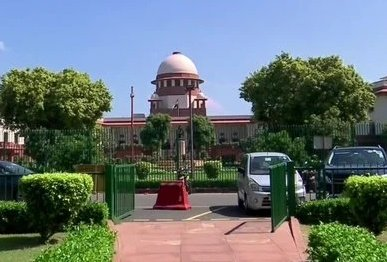
The bench refused to suspend the proceedings even after NCERT submitted an apology, indicating that the issue goes beyond an error in judgment. Instead, the judges suggested that the content may have had a deeper impact, particularly because it was intended for young students. School textbooks, the court noted, shape perceptions at an early age and therefore carry a special responsibility to present balanced and accurate information about constitutional institutions.
The matter was heard by a bench led by Chief Justice Surya Kant, along with Justices Joymalya Bagchi and Vipul M. Pancholi. During the hearing, the Chief Justice expressed concern that the judiciary is facing what he described as “mounting attacks.” He characterized the disputed chapter as a “calculated move” that could misrepresent the judicial system and influence how students perceive the courts. Such portrayals, the bench observed, could erode public confidence in a pillar of democracy if not handled responsibly.
In a strongly worded order, the court directed an immediate nationwide halt on the use, distribution, or teaching of the textbook containing the chapter. Schools and educational authorities have been instructed not to circulate the material until further notice. The bench also warned that any attempt to circumvent the ban would be treated as contempt of court and interference with the administration of justice, underscoring the seriousness of the directive.
Beyond the ban itself, the court has demanded full transparency from NCERT regarding how the chapter came into existence. It ordered the council to provide detailed information about the Teaching–Learning Materials Committee responsible for the content, including the names of all members, their academic qualifications, professional credentials, and the identities of the authors and reviewers involved. The approval process that led to the chapter’s publication must also be disclosed. Legal experts say this indicates the court is examining accountability at every stage, from drafting to final clearance.
The developments have sparked a wider national debate about the balance between academic freedom and institutional respect. Supporters of the court’s action argue that schoolchildren should not be exposed to material that may undermine trust in democratic institutions without adequate context. Critics, however, caution that restricting discussions about corruption could limit students’ ability to engage critically with real-world issues.
Possible legal consequences now loom for those involved in preparing and approving the chapter. The court signaled that contempt proceedings or other actions could follow if it finds negligence, misconduct, or deliberate misrepresentation. Meanwhile, education boards across the country are reviewing their curricula to ensure compliance with the order and to avoid similar controversies.
NCERT is expected to submit the requested details within the timeline set by the court, after which further hearings will determine the next course of action. The outcome could influence not only this particular textbook but also future guidelines on how sensitive constitutional topics are presented in classrooms. For now, the episode stands as a stark reminder of the delicate intersection between education, public discourse, and the authority of the judiciary in India.