

Sarah Baloch’s name began trending almost overnight. Social media feeds were suddenly flooded with messages claiming that a “shocking viral video” linked her to an incident in Assam. The posts were dramatic. The language was emotional. The links promised something sensational.
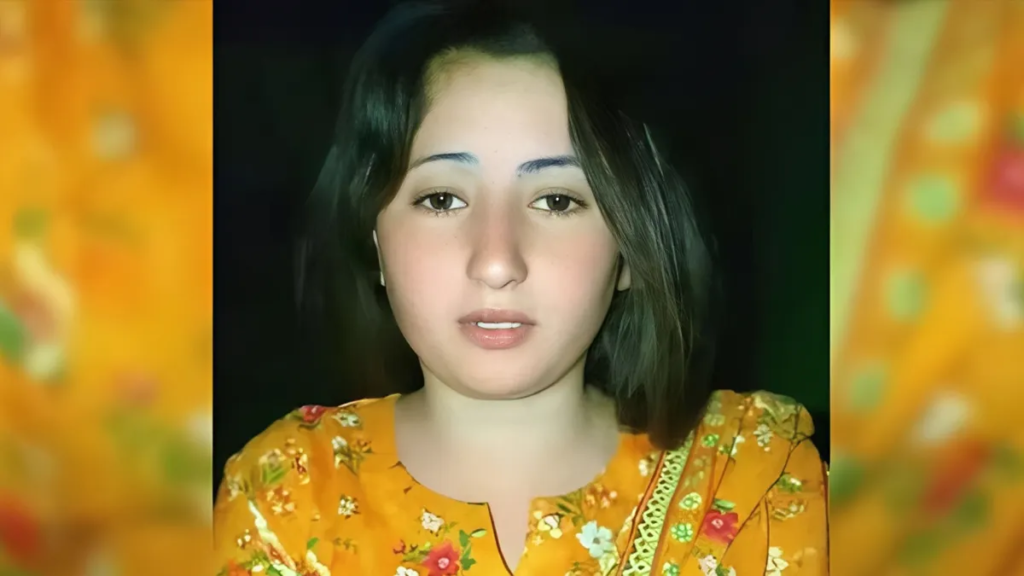
But there is no scandal here. There is no verified video. What’s spreading is a scam.
Sarah Baloch is a Pakistani social media influencer known for her online presence and lifestyle content. In recent days, however, her identity has been misused in viral WhatsApp and Telegram forwards circulating across India. The messages claim that a controversial or “leaked” video involving her surfaced in Assam. They are crafted carefully to spark curiosity and urgency.
There is no credible evidence supporting these claims.
The reference to Assam appears to be part of the trap. Cybercriminals often add a regional angle to make fake stories feel local and believable. When people see the name of their state attached to a trending topic, they are more likely to click and share without verifying.
The scam follows a familiar pattern. A dramatic headline grabs attention. A suspicious link promises exclusive footage. Once clicked, users are redirected to unsafe websites. Some pages attempt to install malware. Others ask for personal details such as phone numbers, passwords, or OTPs. In some cases, harmful software can silently infect devices.
This is not about a viral controversy. It is about phishing.
Cyber experts say scammers frequently use celebrity or influencer names because they generate instant attention. A recognizable face, combined with a sensational claim, spreads faster than fact-checks. By the time the truth emerges, thousands may have already clicked the malicious link.
The bigger concern is digital safety. Many users forward such messages without checking their authenticity. In doing so, they unknowingly help scammers expand their reach.
The safest response is simple. Do not click on unknown links. Do not download files from unverified sources. Never share personal information on suspicious websites. If you receive such a message, report it and delete it immediately.
The Sarah Baloch viral video claim is a reminder of how easily misinformation can travel in the digital age. Curiosity is human. But online, it can come at a cost.
Pause before you click. Verify before you share. In today’s internet landscape, awareness is your strongest protection.
Frequently Asked Questions (FAQs)
1. Who is Sarah Baloch?
Sarah Baloch is a Pakistani social media influencer known for her online lifestyle and digital content. She has recently been mentioned in viral messages circulating in India, but there is no verified controversy involving her.
2. What is the Sarah Baloch viral video?
The so-called “viral video” is part of an online phishing scam. Messages claim that a shocking video linked to her has surfaced, but no authentic or verified video exists. The links shared in these messages are malicious.
3. Is there any real connection between Sarah Baloch and Assam?
No. There is no confirmed link between Sarah Baloch and Assam. The state’s name appears to have been added to make the fake story seem more believable and locally relevant.
4. How does this viral video scam work?
The scam uses sensational headlines and clickbait messages to lure users into clicking suspicious links. Once clicked, these links may:
- Install malware on your device
- Redirect you to fake websites
- Ask for personal information like phone numbers or OTPs
5. Why are celebrity or influencer names used in such scams?
Recognizable names attract attention quickly. Scammers rely on curiosity and urgency to increase clicks and shares before the information can be verified.
6. What should I do if I receive such a link?
Do not click on it. Delete the message immediately. Avoid forwarding it to others. If possible, report the message on the platform where you received it.
7. Can clicking the link harm my device?
Yes. Suspicious links may install harmful software, steal personal data, or expose your device to cyber threats.
8. How can I stay safe from phishing scams?
- Verify news from trusted sources
- Avoid clicking unknown links
- Never share OTPs or passwords
- Keep your phone and apps updated
- Use reliable security software