

The acquittal of former Congress leader Sajjan Kumar by Delhi’s Rouse Avenue Court in the Vikaspuri–Janakpuri violence case has caused deep anguish within the Sikh community and reopened painful memories linked to the 1984 Sikh Genocide. For families who have waited decades for justice, the verdict has come as a profound disappointment, once again raising serious questions about accountability in one of India’s darkest chapters.
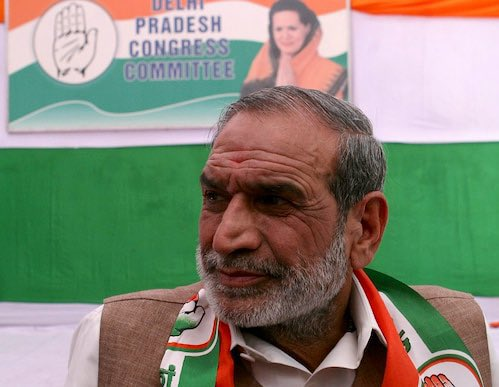
The case relates to incidents of violence that took place in west Delhi’s Vikaspuri and Janakpuri areas in the aftermath of former Prime Minister Indira Gandhi’s assassination in 1984. During the trial, eyewitness testimonies were placed on record, pointing to the role of political figures during the violence. However, the court ruled that the prosecution failed to establish the charges beyond reasonable doubt, leading to Sajjan Kumar’s acquittal.
Members of the Sikh community say the judgment has deepened their sense of injustice and highlighted the long-standing struggle faced by survivors and victims’ families. Many argue that repeated acquittals in cases related to the 1984 violence erode public faith in the justice system and prolong the trauma of those who lost their loved ones.
Reacting to the verdict, the Delhi Sikh Gurdwara Management Committee announced that it will challenge the order before the Hon’ble Delhi High Court. The committee reaffirmed its commitment to pursue justice through all legal means, stating that the fight for accountability will continue until those responsible for the violence are held answerable.
Legal observers note that cases linked to the 1984 Sikh Genocide often face challenges due to the passage of time, including fading evidence and the loss of witnesses. Despite these hurdles, appeals in higher courts remain a crucial pathway for victims seeking justice, especially where questions persist over the evaluation of evidence and testimonies.
The acquittal comes at a time when several cases connected to the 1984 violence are still pending. While some convictions in recent years had raised hopes of closure, this verdict has once again underscored the slow and complex nature of justice in such historic cases. For survivors and their families, the legal battle is not only about punishment but also about recognition, truth, and dignity.
As the DSGMC prepares to move the High Court, the verdict stands as a reminder that the legacy of the 1984 Sikh Genocide remains unresolved. For those who have endured decades of waiting, the pursuit of justice continues, driven by the belief that accountability, however delayed, is essential for healing and closure.