

Public transport services across Punjab were severely disrupted on Wednesday after Punjab Roadways and PRTC contract workers launched an indefinite strike, triggering a statewide “chakka jam” and leaving thousands of commuters stranded. The protest, which began in the afternoon, brought bus operations to a near standstill in several districts, forcing passengers to rely on private transport at higher fares.
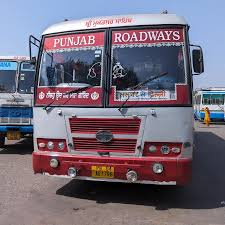
Bus stands in Patiala, Sangrur, Ludhiana, and other major cities witnessed confusion as passengers waited for hours with little clarity on when services would resume. Office-goers, students, and daily wage earners were among the worst affected. Many travelers heading to Chandigarh and other key destinations had no option but to turn to private buses and taxis.
Union leaders said the strike drew participation from nearly 8,000 contractual employees working across 27 depots. Harkesh Vicky, State Vice-President of the PRTC Contractual Employees Union, confirmed that representatives were in talks with the Transport Secretary in Chandigarh. However, he made it clear that the protest would continue until their demands were met.
At the center of the agitation is the release of several workers who were booked during protests held in November and early December in Sangrur and Patiala. According to union representatives, more than 20 members were charged under non-bailable sections, including serious allegations such as attempt to murder. They claim that many of the arrested employees have been in jail for over two months. Additionally, 34 workers have reportedly been terminated from service.
Union leaders described the action against employees as harsh and unjustified. They argue that workers who have been serving on contract or outsourcing basis for 10 to 20 years are now facing growing uncertainty under the Special Cadre Policy, 2023. The policy, they say, has deepened job insecurity rather than providing stability.
The unions have also accused the state government of moving towards gradual privatisation of the transport department through the kilometre scheme, under which private operators are paid based on distance covered. According to employee representatives, such measures threaten the future of long-serving staff members and weaken the public transport structure.
Financial stress within PRTC has further complicated the situation. Union Secretary Jasdeep Singh Lalli pointed out that PRTC currently operates around 1,200 buses, while Punjab Roadways runs approximately 1,600. He claimed that no new buses have been added to the PRTC fleet in the last four years, which has affected service expansion and operational efficiency.
Lalli also highlighted delays in reimbursement under the government’s free travel scheme for women. While the scheme aims to benefit female passengers, he said the corporation has not received timely payments from the state government. According to the union, nearly ₹350 crore remains pending, leaving the financially strained corporation struggling to manage operational costs, including fuel expenses and staff salaries.
As negotiations continue, uncertainty hangs over Punjab’s public transport system. For now, commuters remain caught in the middle of a standoff between employees and authorities. Whether ongoing talks will break the deadlock or the strike will intensify further in the coming days remains to be seen.
If the protest continues, its ripple effect could extend beyond daily travel, potentially impacting trade, education, and routine public movement across the state.