

Pakistan has decided to play its scheduled T20 World Cup match against India on February 15, 2026, in Colombo, marking a major reversal of its earlier boycott call. The decision comes after intense diplomatic and cricketing discussions involving Bangladesh, Sri Lanka, and the International Cricket Council (ICC).
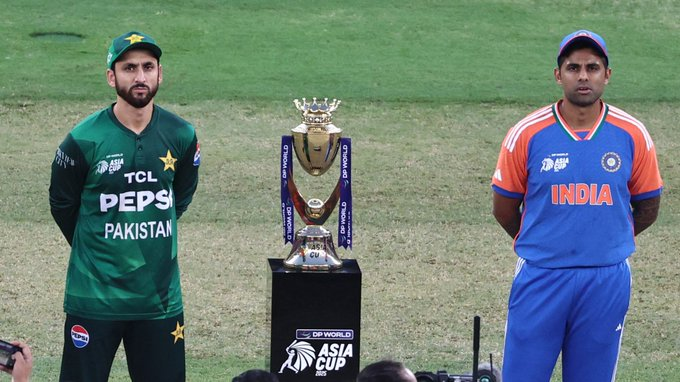
The Pakistan government stated that the withdrawal of the boycott was aimed at “protecting the spirit of cricket and supporting the continuity of this global sport across all participating nations.” The announcement ends an impasse that had cast uncertainty over one of the most anticipated fixtures in the tournament.
Neighboring countries played a key role in persuading Pakistan to change course. Bangladesh Cricket Board chief Aminul Islam urged the country to take the field for the greater good of cricket, while Sri Lanka President Anura Kumara Dissanayake personally called Prime Minister Shehbaz Sharif, requesting a resolution to the standoff. Following consultations with Pakistan Cricket Board chairman Mohsin Naqvi, the Prime Minister agreed to the decision.
Bangladesh, which had earlier been ousted from the tournament for refusing to play in India due to security concerns, received assurances from the ICC that no penalties—financial, sporting, or administrative—would be imposed. Scotland replaced Bangladesh in the tournament roster, while Bangladesh retains the right to approach the Dispute Resolution Committee if it chooses. The ICC has also agreed to consider awarding a global cricket event to Bangladesh between 2028 and 2031, strengthening regional cricket ties.
Mohsin Naqvi emphasized that Pakistan’s decision was independent and not influenced by potential ICC sanctions. “You know we are not ones to be afraid of these threats. Everyone knows our Field Marshall (Asim Munir). We are not worried about any sanctions,” he said. During discussions with ICC deputy chair Imran Khawaja, Naqvi raised several issues, including the resumption of Indo-Pak bilateral cricket and compensation for Bangladesh’s tournament losses through a tri-series. While the tri-series was not approved, the ICC may consider awarding the next Men’s Under-19 World Cup to Bangladesh.
The reversal ensures that one of cricket’s most iconic rivalries—the India-Pakistan T20 match—will proceed as planned. Fans, cricket boards, and the ICC have welcomed the decision, reflecting the delicate balance of sport, diplomacy, and regional cooperation in South Asian cricket. With high stakes on the field and heightened anticipation among global audiences, the February 15 clash in Colombo is set to be a defining moment in the T20 World Cup 2026.
Key highlights include Pakistan’s confirmation to play India, the successful diplomatic interventions by Bangladesh and Sri Lanka, ICC assurances for Bangladesh, and PCB discussions regarding the Asia Cup trophy and potential future tournaments. The decision not only preserves the spirit of cricket but also reinforces the importance of collaboration among cricketing nations in the region.