

Pakistan carried out a series of targeted military strikes along its border with Afghanistan early Sunday, claiming to have destroyed seven militant camps linked to the Pakistani Taliban and Islamic State affiliates. Officials described the operation as intelligence-driven and precise, saying it was aimed at dismantling networks responsible for recent deadly attacks inside the country.
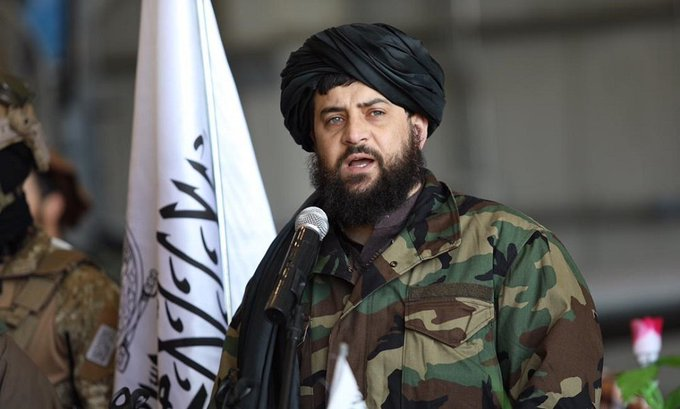
Information Minister Attaullah Tarar said the military conducted “intelligence-based, selective operations” against camps belonging to Tehrik-e-Taliban Pakistan (TTP) and its affiliates. He added that a regional affiliate of the Islamic State was also targeted during the strikes. While Islamabad did not disclose the exact locations, social media reports suggested the operation may have extended into Afghan territory. There was no immediate official reaction from Kabul.
The operation followed a surge in violence in northwestern Pakistan. Just days earlier, a suicide bomber rammed an explosives-laden vehicle into a security post in Bajaur district in Khyber Pakhtunkhwa, killing 11 soldiers and a child when part of the compound collapsed. Authorities later identified the attacker as an Afghan national. Hours before the latest strikes, another suicide bomber targeted a security convoy in Bannu district, killing two soldiers, including a lieutenant colonel.
After the Bannu attack, Pakistan’s military warned it would not “exercise any restraint” and would continue operations against those responsible, “irrespective of their location.” The language signaled a possible cross-border response, and Sunday’s action appears to reflect that stance.
Tarar said Pakistan possesses “conclusive evidence” that recent attacks, including a suicide bombing targeting a Shiite mosque in Islamabad that killed 31 worshippers earlier this month, were carried out by militants acting on instructions from leadership based in Afghanistan. He claimed Pakistan has repeatedly urged Afghanistan’s Taliban authorities to take verifiable steps to prevent militant groups from using Afghan soil to launch attacks, but alleged that no meaningful action has followed.
Relations between Islamabad and Kabul have remained tense in recent months. Deadly border clashes in October left dozens of soldiers and civilians dead. Although a Qatar-mediated ceasefire has largely held, diplomatic talks failed to produce a lasting agreement, leaving both sides wary of each other’s intentions.
The TTP, though separate from Afghanistan’s Taliban movement, shares ideological ties with it. Since the Taliban returned to power in Afghanistan in 2021, Pakistan has seen a sharp rise in militant violence, much of it attributed to the TTP and other armed groups. Islamabad accuses militants of operating from safe havens across the border, a charge that Kabul has consistently denied.
Pakistan has urged the international community to pressure Afghanistan’s Taliban authorities to uphold commitments made under the Doha agreement, particularly the pledge not to allow their territory to be used against other nations. Tarar maintained that while Pakistan seeks peace and regional stability, the protection of its citizens remains its highest priority.
The latest strikes underscore the fragile security environment along the Pakistan-Afghanistan border. While Islamabad frames the action as a defensive measure against terrorism, cross-border operations risk further straining already delicate relations. With violence escalating and trust in short supply, the region faces another uncertain chapter in a conflict that shows little sign of ending.
Summary – Key Highlights:
Pakistan conducted intelligence-based strikes on seven militant camps near the Afghan border. The targets included TTP and Islamic State affiliates. The operation followed deadly suicide attacks in Bajaur and Bannu districts. Islamabad accuses Afghanistan-based leadership of orchestrating recent violence. Kabul has not yet issued an official response, and regional tensions remain high.
Frequently Asked Questions (FAQ)
Q1. Why did Pakistan carry out strikes along the Afghan border?
Pakistan says the strikes were launched in response to a recent surge in militant attacks inside the country. Officials claim the operations targeted camps used by Tehrik-e-Taliban Pakistan (TTP) and affiliates of the Islamic State, which Islamabad accuses of orchestrating deadly bombings.
Q2. How many camps were targeted in the operation?
According to Pakistan’s Information Minister Attaullah Tarar, seven militant camps were targeted in what he described as “intelligence-based, selective operations.”
Q3. Where were the strikes carried out?
Pakistan has not officially disclosed the exact locations. However, reports suggest the strikes occurred near the Pakistan-Afghanistan border and may have extended into Afghan territory. Kabul has not issued an immediate formal response.
Q4. What recent attacks triggered these strikes?
The operation followed deadly suicide bombings in Bajaur and Bannu districts in Khyber Pakhtunkhwa, where multiple soldiers were killed. Pakistani authorities allege the attackers had links to Afghanistan-based leadership.
Q5. What is the TTP?
The Tehrik-e-Taliban Pakistan (TTP) is a militant group that operates against the Pakistani state. Although separate from Afghanistan’s Taliban, the group shares ideological ties and has been blamed for numerous attacks across Pakistan.
Q6. How have Pakistan-Afghanistan relations been affected?
Relations between Islamabad and Kabul have remained tense, especially after border clashes and accusations that Afghan soil is being used to plan attacks in Pakistan. Diplomatic talks have so far failed to produce a lasting security agreement.
Q7. Has Afghanistan responded to the allegations?
Afghanistan’s Taliban authorities have previously denied allowing militants to operate from their territory. At the time of the latest strikes, there was no immediate official reaction from Kabul.
Q8. What could happen next?
Security analysts warn that cross-border operations may further strain relations between the two countries. If diplomatic channels fail to ease tensions, the region could see more instability along the already volatile frontier.