

Tensions between Pakistan and Afghanistan have erupted into their most dangerous confrontation in years after Pakistani airstrikes hit major Afghan cities, including Kabul and Kandahar. While both sides traded heavy accusations and reported casualties, Afghanistan’s Taliban leadership signaled it is open to negotiations to prevent a prolonged conflict. The strikes mark a dramatic breakdown in relations between the neighboring Islamic nations, once considered uneasy allies.
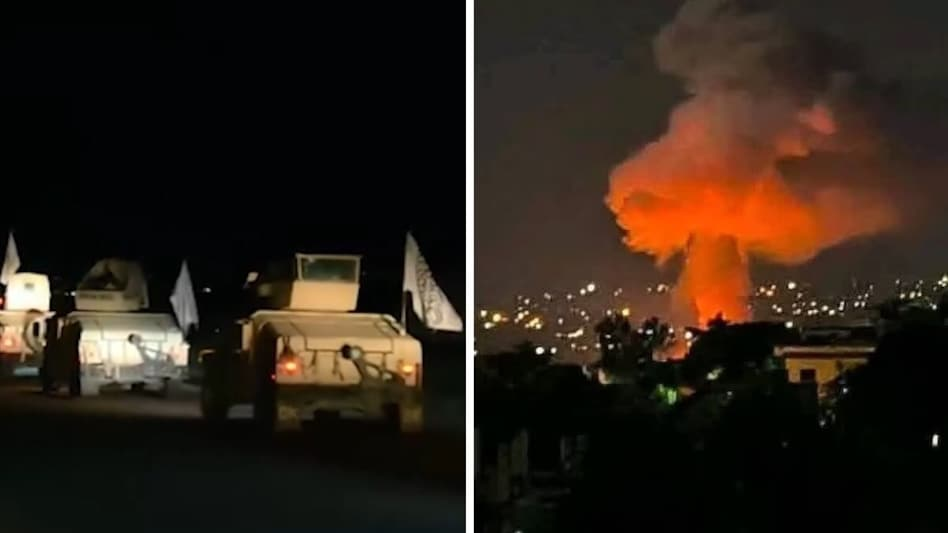
Residents reported powerful explosions, thick black smoke, and hours of secondary blasts after munitions depots were hit. Witnesses described scenes of chaos as people fled homes in fear. A taxi driver in Kabul said warplanes dropped bombs late at night, followed by continuous explosions from ignited ammunition. Ambulance sirens echoed through the capital as emergency crews scrambled to respond. Taliban spokesperson Zabihullah Mujahid confirmed that multiple provinces were targeted over two days, including Paktia, Khost, Paktika, and Laghman. Civilian casualties were reported, though official figures remain unclear.
Pakistani officials described the operation as a response to cross-border militant attacks allegedly launched from Afghan territory. Security sources said air-to-ground missiles targeted Taliban military sites and installations. Defence Minister Khawaja Muhammad Asif warned that Pakistan’s patience had “overflowed,” calling the situation an “open war.” Islamabad claims hundreds of Taliban fighters and officials were killed, though these figures could not be independently verified. Pakistan acknowledged losing a dozen soldiers, while Afghanistan reported casualties among its forces as well.
Despite the escalation, Taliban authorities denied harboring militants targeting Pakistan and accused Islamabad of violating Afghan sovereignty. Afghan Foreign Minister Amir Khan Muttaqi told Qatari officials that Afghanistan prefers resolving disputes through mutual understanding but expects genuine willingness from Pakistan. “The Islamic Emirate has always sought dialogue,” Mujahid reiterated, emphasizing that negotiations remain possible even amid fighting.
International concern is mounting as the conflict threatens stability along the 2,600-kilometer border. Qatar — which previously mediated between the two sides — is actively engaging in diplomatic efforts to de-escalate tensions. Meanwhile, Russia and China have jointly called for an immediate halt to hostilities and a return to negotiations. The United Nations has also expressed alarm over civilian casualties.
Analysts warn that a sustained confrontation could destabilize the region. Pakistan possesses far superior conventional military capabilities and nuclear weapons, but Taliban forces are experienced in guerrilla warfare after decades of conflict with U.S.-led troops. Recent months have already seen sporadic clashes along the frontier, but direct strikes on major Afghan cities represent a significant escalation. Pakistan’s Punjab province has reportedly gone on high alert amid fears of retaliatory attacks, while security operations and deportations of Afghan nationals have intensified.
Both governments have released conflicting casualty figures, making the true human toll difficult to assess. Independent verification has been limited, though reports from Reuters confirm widespread destruction at targeted sites.
The sudden escalation between Pakistan and Afghanistan has pushed the region to the brink of a broader conflict. While both sides continue military posturing, the Taliban’s openness to dialogue offers a narrow window for diplomacy. Whether talks materialize — or further violence follows — will determine the stability of South Asia in the coming weeks.