

Social media witnessed intense turbulence this week after a short video featuring influencer Amulya Rattan went viral, igniting widespread criticism and debate. In the clip, Rattan is seen confronting a man in a public space, accusing him of deliberately “ruining” her video while she was recording content.
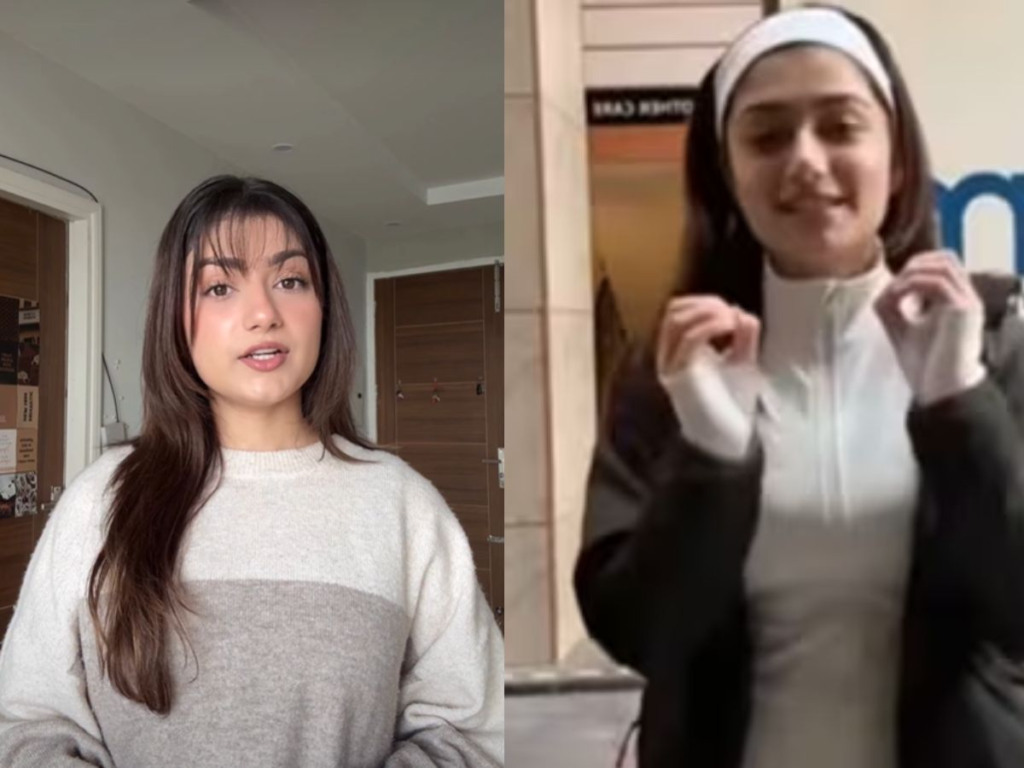
What began as a brief altercation quickly escalated into a nationwide online discussion around public etiquette, influencer entitlement, and the boundaries of digital accountability. As the video spread across platforms, reactions ranged from reasoned criticism to extreme online hostility.
What Happened in the Viral Video?
The controversy erupted after a man walked through the area where Amulya Rattan was filming. Visibly annoyed, the influencer questioned his sense of public behaviour, suggesting he lacked basic etiquette.
Many viewers pointed out that public spaces are legally open to everyone, and no individual — influencer or otherwise — can restrict movement for the sake of content creation. Critics argued that content creators cannot expect uninterrupted access to shared spaces without prior permissions or clear demarcation.
Amulya Rattan’s Response and Apology
As criticism mounted, Amulya Rattan issued a public apology, acknowledging that her choice of words and reaction could have been better. She clarified that her frustration stemmed from past experiences of being stared at or made uncomfortable by men in public places.
While she accepted responsibility for the tone of her remarks, Rattan also highlighted a darker side of the backlash. According to her statement, online criticism soon escalated into personal abuse and threats, far exceeding the scope of the original incident.
Public Etiquette vs Creator Privilege
Who Owns Public Spaces?
At the heart of the controversy lies a fundamental question: Do content creators deserve special consideration in public spaces?
Public parks, streets, and common areas exist for collective use. Legal experts and social commentators were quick to note that there is no social or legal agreement that prioritizes content creation over the free movement of others.
While empathy exists for creators navigating harassment concerns, the incident reinforced the belief that clear shots are not an entitlement in public zones.
The Growing Clash in the Digital Economy
With mobile phones turning everyday locations into filming sets, conflicts like this are becoming increasingly common. The incident reflects a growing mismatch between the creator economy and the realities of shared physical spaces.
When Accountability Turns Into Online Harassment
The backlash against Amulya Rattan also exposed a troubling trend. What began as valid criticism soon transformed into online shaming, stalking, and threats, raising concerns about how accountability is enforced on social media.
Many users rightly pointed out that influencers should not expect special treatment. However, the shift from criticism to intimidation has once again blurred the line between holding someone accountable and engaging in digital mob behaviour.
A Broader Conversation for Social Media Platforms
The episode highlights the urgent need for platforms to differentiate between constructive criticism and harassment. As influencers hold increasing cultural influence, the systems meant to regulate discourse must evolve to prevent disproportionate backlash.