

The long-anticipated India–US trade agreement has hit an unexpected hurdle after US Commerce Secretary Howard Lutnick disclosed that Prime Minister Narendra Modi did not personally call President Donald Trump at a crucial moment. Speaking on the popular “All-In Podcast,” Lutnick said that despite months of negotiations, India missed a narrow diplomatic window that could have secured a more favorable deal.
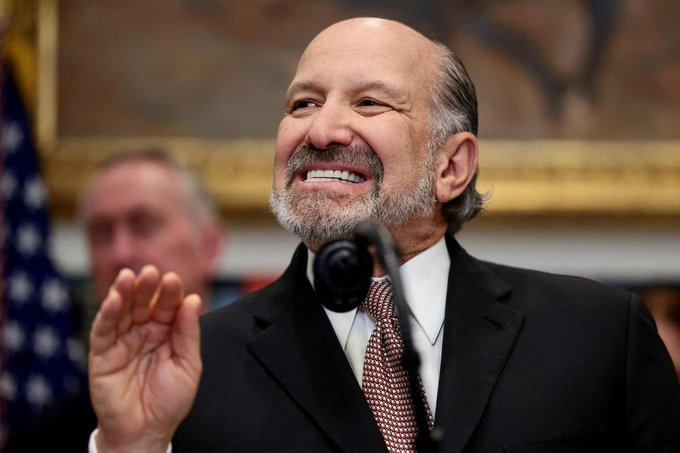
According to Lutnick, President Trump plays a hands-on role in finalizing all major trade agreements. Even when technical teams conclude negotiations, the final step requires a direct leader-to-leader conversation. He revealed that he had clearly conveyed to Indian officials that Modi’s call was necessary to close the agreement, but that call never came.
Lutnick explained that Trump follows a unique “staircase” approach to trade negotiations. The first country to finalize a deal gets the most advantageous terms, while every country that follows receives progressively tougher conditions. India was expected to be one of the first nations to close a deal after the United Kingdom, but when the deadline passed, Washington moved ahead with agreements involving Indonesia, the Philippines, and Vietnam.
By the time India re-engaged, those deals had already been signed at lower tariff rates. This meant New Delhi found itself negotiating from a weaker position. Lutnick compared the situation to missing a departing train, saying that when India returned weeks later, the best offers were already gone.
He also pointed out that India’s complex political system, internal approvals, and parliamentary processes often slow down decision-making, making it difficult to meet the tight timelines set by the Trump administration for trade deals.
The situation has become even more sensitive because of India’s continued purchases of Russian oil. President Trump recently expressed displeasure over these imports and warned that Washington could impose higher tariffs on Indian goods very quickly. These comments came at a time when both countries were already holding multiple rounds of negotiations to resolve issues related to a 50 percent tariff on Indian exports to the United States.
So far, six rounds of talks have taken place, including discussions on a framework that could address trade imbalances and tariff disputes. However, Lutnick’s remarks suggest that India has now lost the opportunity to secure the kind of preferential terms it was originally offered.
While the trade agreement is not off the table, India will now have to negotiate under less favorable conditions as other countries have already moved ahead. The episode underlines how personal diplomacy, timing, and political signaling can sometimes carry as much weight as economic negotiations in shaping global trade relationships.