

India has seized three oil tankers previously sanctioned by the United States and allegedly linked to Iran, in what appears to be a firm step toward tightening maritime enforcement in its waters. The vessels — Stellar Ruby, Asphalt Star, and Al Jafzia — were intercepted earlier this month nearly 100 nautical miles west of Mumbai after authorities detected suspicious activity inside India’s exclusive economic zone.
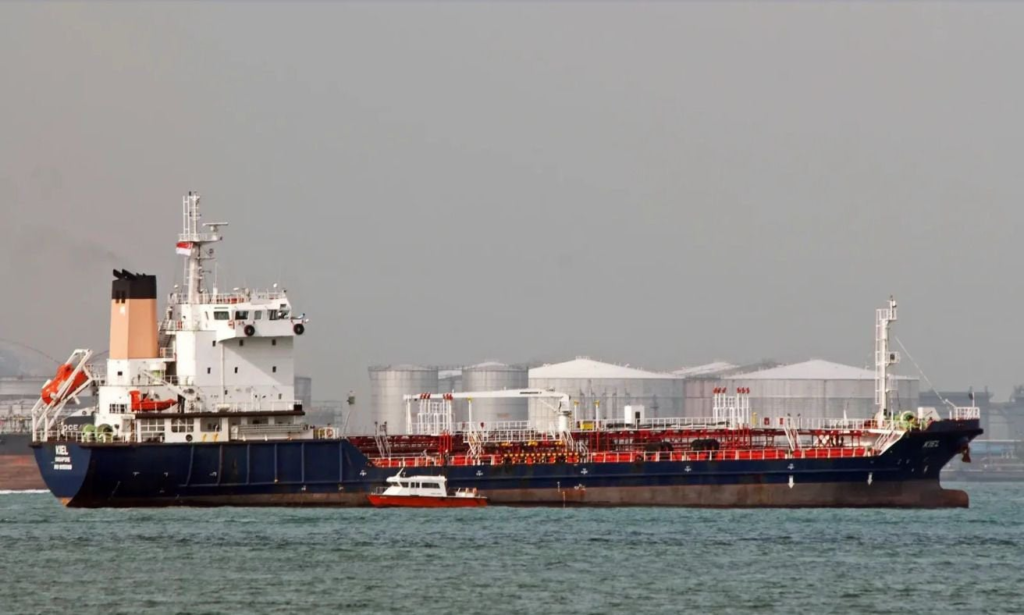
Officials familiar with the development confirmed that the ships were escorted to Mumbai for detailed investigation. Although an initial social media post by authorities announcing the interception was later deleted, sources maintained that the seizure was carried out as part of a broader effort to prevent Indian waters from being used for ship-to-ship oil transfers that conceal the origin of cargo.
Such mid-sea transfers have become a common tactic in sanctioned oil trade. Tankers often switch off tracking systems, change names, alter documentation, and operate through layered ownership structures to avoid detection. According to maritime tracking data, Al Jafzia transported fuel oil from Iran to Djibouti in 2025, while Stellar Ruby was flagged in Iran. Asphalt Star largely operated on routes near China. The vessels reportedly changed identities multiple times to evade law enforcement agencies.
The US Office of Foreign Assets Control had previously sanctioned ships bearing International Maritime Organization numbers matching those of the seized tankers. However, Iranian state media cited the National Iranian Oil Company as denying any link to the vessels or their cargo, stating that neither the ships nor the oil shipments were connected to the company.
The timing of the action is notable. Relations between India and the United States have recently strengthened. Washington announced a reduction in import tariffs on Indian goods from 50 percent to 18 percent after New Delhi agreed to halt Russian oil imports. While India continues to maintain a balanced foreign policy approach, the latest maritime move signals its willingness to ensure that its waters are not used for illicit trade.
Following the interception, India has significantly stepped up surveillance across its maritime zones. The Indian Coast Guard has reportedly deployed around 55 ships and between 10 and 12 aircraft to maintain round-the-clock monitoring. Authorities remain particularly alert to suspicious tanker movements that could indicate covert ship-to-ship transfers.
Sanctioned oil is typically sold at heavy discounts due to the legal and financial risks involved. Intermediaries exploit this price gap, using complex logistics networks and mid-sea operations to integrate restricted cargo into legitimate supply chains. Crackdowns such as this aim to disrupt those shadow networks and reinforce transparency in global energy trade.

India’s swift action underscores its growing maritime assertiveness and commitment to protecting the integrity of its waters. As investigations continue, the incident highlights the broader geopolitical stakes tied to energy security, sanctions enforcement, and strategic partnerships in the Indo-Pacific region.