

The International Cricket Council (ICC) has officially dropped Bangladesh from the upcoming T20 World Cup, ending weeks of uncertainty surrounding the team’s participation. Scotland has been brought in as the replacement, following Bangladesh Cricket Board’s refusal to send its national side to India due to security concerns raised by the country’s interim administration.
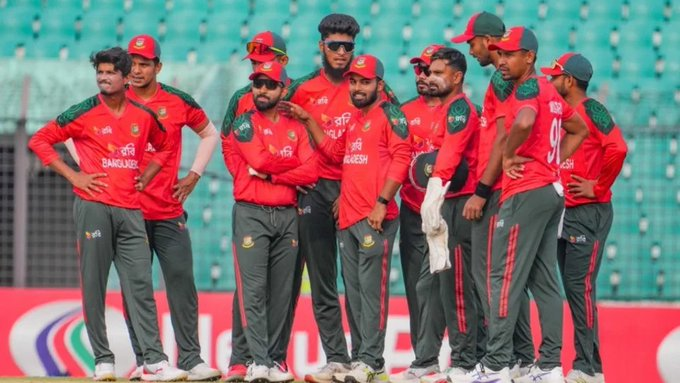
The decision was taken after the BCB failed to comply with an ICC deadline to confirm travel plans. Sources within the global body revealed that Bangladesh was given a 24-hour window to reconsider its stance, but no official response was received within the stipulated time. Instead, the BCB addressed the issue through a press conference in Dhaka, a move the ICC reportedly viewed as a breach of protocol.
An official communication was sent late Friday evening to BCB chairman Aminul Islam Bulbul, informing him that Bangladesh had been replaced in the tournament. ICC officials also separately notified all participating member nations of the development, confirming Scotland’s inclusion.
The matter was discussed at an ICC Board meeting where Bangladesh found itself overwhelmingly outvoted. In a 14-2 verdict, member nations supported the ICC’s position that Bangladesh must travel to India for its scheduled matches. The board rejected alternative proposals from the BCB, including shifting matches to Sri Lanka or swapping groups with Ireland. The Irish Cricket Board categorically dismissed any such swap.
Bangladesh Sports Ministry advisor Asif Nazrul played a key role in the standoff, advising against the national team’s travel to India despite repeated assurances from the ICC regarding security. An independent security assessment reportedly rated the threat level as “low to moderate,” similar to that of other participating teams. However, Nazrul remained firm, issuing a directive that prevented the players from participating in the tournament.
Sources indicated that the meeting between Nazrul and national team players turned into a one-way interaction, with players being informed rather than consulted. This political intervention ultimately sealed Bangladesh’s fate.
Scotland’s entry brings an end to a month-long suspense. Although Cricket Scotland has stated that it has not yet received formal confirmation, officials believe it is only a procedural delay. Scotland is expected to play its group matches against West Indies, Italy and England in Kolkata, followed by a game against Nepal in Mumbai.

In a last-minute attempt to reverse the decision, the BCB approached the ICC’s Dispute Resolution Committee. However, the move failed as the committee is not authorised to hear appeals against decisions taken by the ICC Board itself. The only legal option left for Bangladesh is to approach the Court of Arbitration for Sport (CAS) in Lausanne, though the tournament will proceed regardless.
The fallout from this decision is expected to hit Bangladesh cricket hard financially. The BCB will lose a participation fee of USD 500,000 and risks jeopardising its annual ICC revenue share of nearly USD 27 million, which accounts for around 60 percent of the board’s yearly budget. Additional losses include sponsorship deals linked to World Cup participation and future bilateral series, particularly with India, which traditionally generate significant revenue.
Bangladesh’s exclusion from the T20 World Cup marks one of the most dramatic administrative actions taken by the ICC in recent years. What began as a security concern has escalated into a major sporting, financial and reputational setback for one of cricket’s most passionate nations, while Scotland now stands on the brink of a rare World Cup opportunity.