

In a landmark decision, the Supreme Court of India on Wednesday permitted the first-ever passive euthanasia, allowing the withdrawal of life-sustaining treatment for 32-year-old Harish Rana, who has remained in a vegetative state since 2013 following a tragic fall. A bench comprising Justice JB Pardiwala and Justice KV Viswanatham issued the historic order in response to a petition filed by Ashok Rana, Harish’s father, seeking permission to end his son’s prolonged medical treatment.
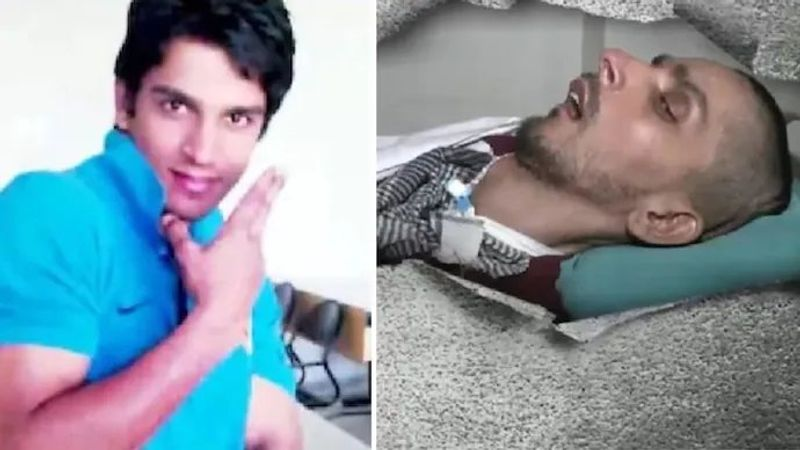
The Supreme Court noted that two separate medical boards, including a secondary board from AIIMS New Delhi, had unanimously concluded that Harish Rana had no hope of recovery. “It’s a very sad report. We cannot keep this boy in this stage,” the bench remarked after reviewing the AIIMS report in December 2025. The medical treatment in question included Clinically Assisted Nutrition and Hydration (CANH), which the court confirmed qualifies as medical treatment. Continuing it, the bench ruled, was no longer in Harish’s best interests.
The verdict applies the principles of the 2018 Common Cause judgment, later modified in 2023, which recognized the fundamental right to die with dignity in India. “Our decision today does not neatly fit within logic and reason alone. It sits in a space between love, loss, medicine and mercy,” the court observed. “This decision is not about choosing death, but about not artificially prolonging life when treatment no longer heals, restores, or meaningfully improves life.” This decision marks the first judicial implementation of passive euthanasia in India following the Common Cause ruling, decades after the Aruna Shanbaug case, where the court had denied a similar plea in 2011.
The Supreme Court directed AIIMS New Delhi to admit Harish Rana into its Palliative Care Department, ensuring the withdrawal of CANH is conducted without pain or suffering, preserving his dignity to the highest standard. The court emphasized the “best interest principle”, stating that the withdrawal of life-sustaining treatment should only occur with the full consent of the patient’s family and unanimous medical opinion. High Courts across India have been instructed to coordinate with district judicial magistrates for monitoring such procedures, in line with Common Cause guidelines.
The Supreme Court urged the Union of India to consider introducing a comprehensive law on passive euthanasia, citing the need for clarity and legal certainty in emotionally sensitive and ethically complex cases. Passive euthanasia involves withholding or withdrawing medical treatment necessary to sustain life, allowing natural death when recovery is impossible. The 2023 guidelines provide a structured framework for forming primary and secondary medical boards to evaluate vegetative patients.
The key facts are that Harish Rana, 32, has been vegetative since 2013, with two medical boards, including AIIMS, confirming no chance of recovery. The treatment being withdrawn is Clinically Assisted Nutrition and Hydration (CANH). This is the first judicially approved passive euthanasia in India, conducted under strict palliative care to ensure dignity and minimal suffering. The verdict sets a historic precedent, shaping India’s medical, ethical, and legal approach toward end-of-life care and the right to die with dignity.

The Supreme Court’s decision provides relief to Harish Rana’s family and establishes a compassionate legal framework for future cases, ensuring that withdrawal of life-sustaining treatment is carried out ethically, legally, and with respect for the patient’s dignity.