

Gold has surged to an extraordinary ₹1.76 lakh per 10 grams in India, marking one of the sharpest rallies in recent history. The dramatic rise is not just a reflection of market speculation but a result of deeper geopolitical and economic shifts unfolding across the globe.
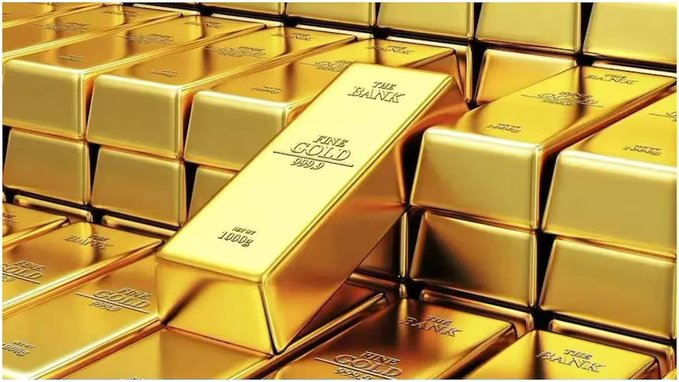
Over the past few years, several countries — particularly members of the BRICS bloc — have steadily reduced their dependence on the US dollar. Instead of holding large quantities of dollar reserves, these nations have increased their gold holdings as a strategic hedge against global uncertainty. India provides a clear example of this shift. In 2005, gold accounted for just 4.3% of India’s foreign exchange reserves. By 2025, that share had climbed to 15%, signaling a decisive policy change toward asset diversification. Brazil also made headlines by purchasing 16 tonnes of gold in 2025 after not adding to its reserves for four years.
The global buying spree has not been limited to emerging economies. Central banks around the world have aggressively accumulated gold amid trade tensions, tariff hikes, and rising geopolitical uncertainty. After Donald Trump returned as U.S. President last year, tariff increases reignited concerns about global trade stability. Whenever markets sense risk, investors and policymakers alike turn to safe-haven assets, and gold has historically been the preferred choice. As a result, BRICS nations now collectively hold nearly 20% of the world’s gold reserves.
However, a potential shift in international trade dynamics could alter this trend. Reports suggest that Russia may soon resume certain trade transactions with the United States using the US dollar. If such an arrangement materializes, it could significantly restore confidence in dollar-based global trade. A renewed trust in the dollar may reduce the urgency among countries to stockpile gold as a protective measure.
Market analysts argue that if two major global powers return to conducting business in dollars, it would send a strong signal of stability to the rest of the world. That stability could slow central bank gold purchases and ease safe-haven demand. In such a scenario, the extraordinary rally in gold prices may lose momentum, potentially triggering a sharp correction.
The possibility of gold falling below ₹1 lakh per 10 grams may sound dramatic, but experts believe it cannot be ruled out if global economic conditions stabilize. A slowdown in central bank buying, combined with steady inflation and higher interest rates, could make gold less attractive compared to other investment avenues. Since gold does not generate yield, rising interest rates often reduce its appeal.
That said, gold rarely moves in a straight line. Even if prices cool, the correction may unfold gradually rather than through a sudden collapse. Much will depend on how global diplomacy evolves and whether Russia–US economic cooperation strengthens in the coming months.
For investors, this moment calls for caution rather than panic. Long-term holders may choose to remain invested, viewing short-term fluctuations as part of the broader cycle. However, new buyers should avoid entering at peak levels without assessing risk. Diversification remains the safest strategy in uncertain times.
Gold’s rally to ₹1.76 lakh per 10 grams reflects more than just market demand. It mirrors shifting alliances, economic anxieties, and strategic reserve management across continents. If global confidence in the US dollar strengthens once again, the metal that thrives on uncertainty may face its biggest test yet.
Summary – Key Highlights:
Gold reached ₹1.76 lakh per 10 grams amid strong central bank buying and geopolitical tensions. BRICS nations have increased gold reserves, with India’s share rising from 4.3% in 2005 to 15% in 2025. Brazil purchased 16 tonnes of gold this year. BRICS countries now hold around 20% of global gold reserves. A possible Russia–US dollar trade deal could restore confidence in the dollar and reduce demand for gold. Experts suggest prices may correct sharply if global stability improves.