

Fatima Jatoi Viral MMS Video Controversy: Fatima Jatoi has suddenly become one of the most searched names on social media after claims of a so-called “Dubai viral video” began circulating online. The controversy started just days after the Umar viral video trend, leading many users to believe that a new scandal had emerged. However, no official confirmation has been issued by any Pakistani authority or verified media outlet so far.
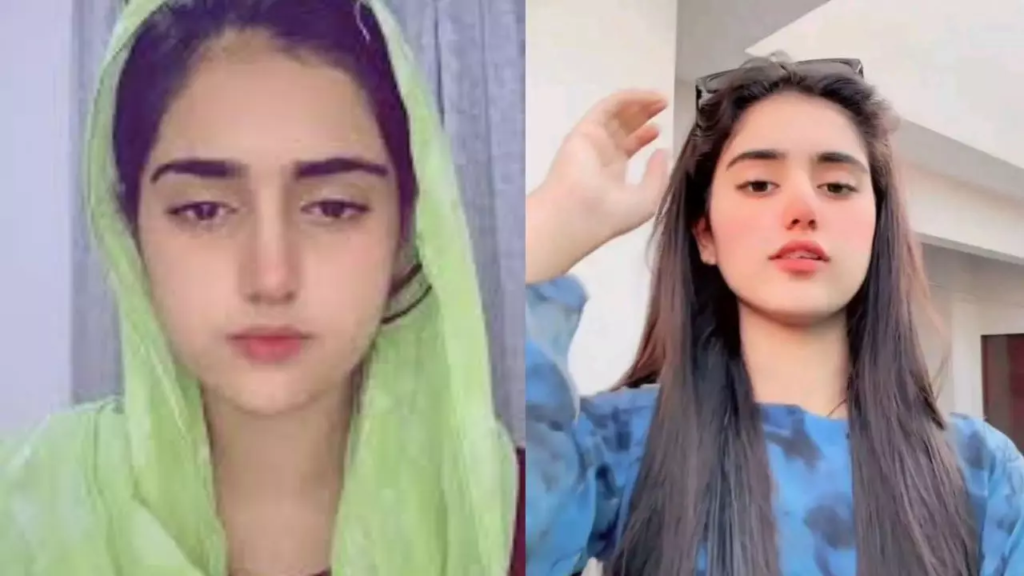
According to viral posts, a video allegedly linked to Fatima Jatoi surfaced online, with users sharing different versions of its duration. Some claimed the clip was 7 minutes long, while others mentioned 19 or even 40 minutes. Several posts also used names like Zulfi and Payal Gaming to add more intrigue, but none of these claims have been backed by credible evidence.
Fatima Jatoi is described on social media as a Pakistani influencer who is active on platforms such as TikTok and Instagram. She reportedly has a large following and shares lifestyle and short-form videos. Beyond these online claims, there is very limited verified information available about her public profile.
As the controversy intensified, a short 28-second video began circulating in which Fatima Jatoi strongly denied the allegations. In the clip, she is seen holding the Quran while stating that the viral video being linked to her is not real. She claimed that the footage was created using artificial intelligence and accused unknown individuals of trying to defame her. She also said that some people could not accept her success and were deliberately spreading false content against her.
So far, there is no confirmation from law enforcement agencies, digital crime units, or mainstream media that any real video exists or that an investigation is underway. All the links being shared online appear to come from unverified social media accounts or websites known for sensational click-bait content. Cybersecurity experts warn that such links often lead to phishing pages or malware designed to steal personal data.
The timing of this controversy, coming right after the Umar viral video trend, has also raised questions. Digital analysts say this pattern is common on social media, where one trending scandal is quickly replaced by another to keep engagement high. In many recent cases, AI-generated deepfake videos have been used to create fake scandals that look real but are completely fabricated.
Unverified viral content can cause serious harm, including damage to reputations, emotional distress, cyberbullying, and legal trouble. In this case, Fatima Jatoi’s identity and credibility are being questioned without any proven facts.
Until any official confirmation or reliable investigative report is released, the so-called Fatima Jatoi Dubai viral video should be treated as unverified online speculation. Based on the information currently available, the only confirmed element is her public denial and her claim that the circulating content is fake and AI-generated.