

A new wave of panic and confusion has spread across social media after a so-called “6-minute-39-second MMS video” was linked to Pakistani influencer Fatima Jatoi. Within hours, screenshots, suspicious links, and misleading captions began circulating on platforms like X, Telegram, Instagram, and WhatsApp, prompting thousands of users to search for the video and question its authenticity. What initially appeared to be another shocking celebrity controversy has now emerged as something far more alarming — a case of digital manipulation and cyber exploitation.
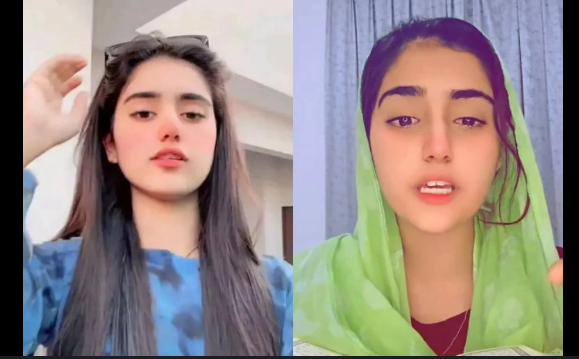
Fatima Jatoi, who is currently based in Dubai and has built a strong following through lifestyle and social media content, publicly broke her silence after the claims went viral. In an emotional video message, she categorically denied being involved in any such video. Holding the Quran in her hand, she stated that the viral footage being linked to her was completely fake and had been created with the sole intention of damaging her reputation. She said she never imagined people could fall to such levels just to destroy someone who worked hard to rise from a modest background.
Her statement quickly gained traction, with many social media users expressing shock and sympathy. Supporters pointed out that online abuse and fake scandals are increasingly being used as tools to silence or humiliate successful women, especially those from conservative societies. Fatima’s case has now become a fresh example of how vulnerable public figures are in the age of artificial intelligence.
Cybersecurity professionals who reviewed the viral clips and associated links have stated that the video bears clear signs of being generated through deepfake technology. These tools use artificial intelligence to map a person’s face and voice onto another video, making the final output look extremely real. For ordinary users, it is often nearly impossible to tell whether a video is genuine or manipulated. This makes deepfakes one of the most dangerous forms of online misinformation today.
Even more concerning is the nature of the links being shared under search terms such as “Fatima Jatoi viral video” and “Fatima Jatoi MMS.” Experts warn that many of these links do not lead to any real video at all. Instead, they redirect users to malicious websites that are designed to steal personal data, install harmful software, or gain unauthorized access to bank accounts and social media profiles. In several cases, clicking such links can result in complete device compromise, financial loss, or identity theft.
The Fatima Jatoi controversy comes just days after another Pakistani influencer, Imsha Rehman, faced a similar situation when alleged private videos began circulating online. That incident also resulted in severe trolling and emotional distress, forcing her to delete her social media accounts. These repeated cases suggest a disturbing pattern in which influencers are being targeted by organized cybercriminals using fake videos to generate traffic, extort money, or simply destroy reputations.
Despite the intense online chatter, there has been no confirmation from any law-enforcement agency, digital forensics team, or credible news organization that a real video involving Fatima Jatoi exists. Every credible indicator so far points to the same conclusion — the viral content is fabricated.
Experts say deepfake technology has advanced so rapidly that it is now being weaponized by criminal networks. They exploit curiosity, scandal, and celebrity culture to lure people into clicking on fake links, which then become entry points for fraud and cyber attacks. Once such a keyword starts trending, it becomes a digital trap that spreads automatically through shares, searches, and private messages.
Fatima Jatoi’s case highlights a much larger global problem. Artificial intelligence, when misused, can turn anyone into a victim overnight. A single fake video can travel faster than any clarification, causing irreversible emotional, social, and professional damage. For influencers and public figures, this threat is especially dangerous because their images and voices are widely available online, making them easy targets for deepfake creators.
Cybercrime experts are urging users to remain cautious and responsible. They advise people not to click on viral links, not to forward unverified content, and to rely only on trusted news sources for confirmation. They also stress the importance of reporting deepfake content so platforms can take it down before it spreads further.
In the end, what is being marketed online as the “Fatima Jatoi MMS” is not a scandal but a warning. It shows how easily digital technology can be twisted to spread lies, harm innocent people, and trap unsuspecting users. Until stronger laws and better detection systems are in place, awareness remains the strongest defense against this growing digital threat.