

Bangladesh is entering one of the most decisive moments in its political history as citizens cast their votes in the first national election following the dramatic exit of Sheikh Hasina. The political landscape has shifted sharply over the past year, and this vote is widely seen as the beginning of a new era for the country.
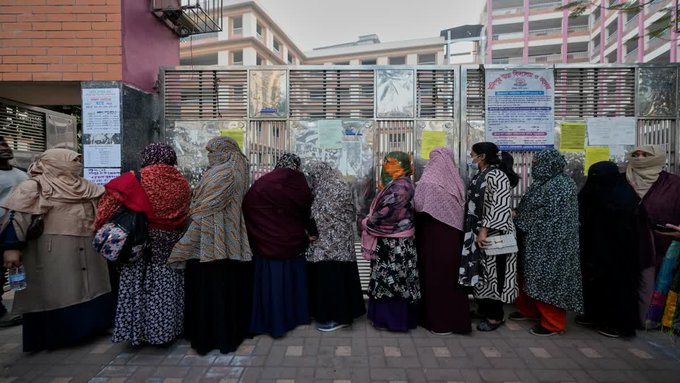
For decades, Bangladesh’s politics revolved around two dominant figures — Sheikh Hasina and Khaleda Zia. Their rivalry shaped policies, alliances, and electoral battles, creating what many called the “Battle of Begums.” With Khaleda Zia’s recent passing and the suspension of the Awami League’s registration by the Election Commission, that era has now effectively come to an end. The absence of Hasina’s party from the ballot has transformed this election into one of the most unpredictable contests in recent memory.
Nearly 127 million eligible voters are participating in the polls, making it one of the largest democratic exercises in the world. Almost half of the electorate falls between the ages of 18 and 37, and more than 4.5 million citizens are voting for the first time. Many of these young voters were part of the Gen Z-led protests that demanded political accountability and institutional reforms. Their participation is expected to significantly influence the outcome.
A total of 1,981 candidates are contesting from 51 political parties, along with 249 independents. Major contenders include the Bangladesh Nationalist Party (BNP), Jamaat-e-Islami, National Citizen Party (NCP), Jatiya Party factions, the Left Democratic Alliance, and the Amar Bangladesh Party. With the Awami League out of the race, opposition forces see a rare opportunity to reshape the country’s power structure.
Authorities have implemented tight security measures to ensure smooth polling. Ballot papers and voting materials were transported under heavy protection, and senior officials have warned that strict action will be taken against any irregularities, including ballot box tampering or fraudulent voting. Polling began at 7:30 am and will continue until 4:30 pm local time, with counting scheduled immediately afterward. Official results are expected the following morning once the tally is complete.
Key issues dominating voter discussions include rising inflation, unemployment, corruption, and economic stability. Bangladesh’s economy has faced mounting pressure in recent years, and citizens are looking for credible leadership that can restore growth and create sustainable job opportunities. Many young voters are also demanding greater transparency and reforms in governance.
Alongside the parliamentary election, citizens are voting in a referendum on the proposed National Charter 2025, drafted by the interim government led by Muhammad Yunus. The charter aims to establish a long-term framework for governance reforms and institutional stability. Supporters believe it could strengthen democratic structures, while critics argue its success will depend on political cooperation after the election.
Bangladesh operates as a parliamentary republic where executive power rests with the Prime Minister and Cabinet, elected by parliament members. The President serves as the ceremonial head of state and is indirectly elected for a five-year term. The outcome of this election will determine not only the next government but also the broader direction of policy and reform in the coming years.
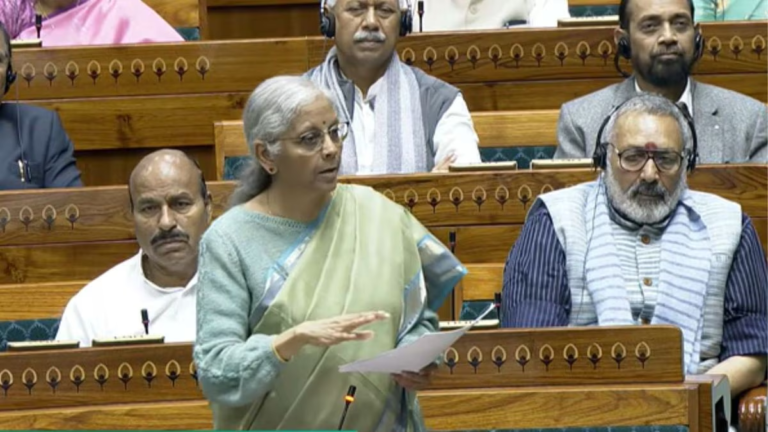
This vote represents more than a routine democratic exercise. It reflects a generational transition, a reshaped political arena, and a nation seeking stability after a period of upheaval. As ballots are counted and results emerge, Bangladesh stands poised between its past and an uncertain but potentially transformative future.