

Pakistani social media influencer Alina Amir has firmly denied allegations surrounding a so-called “leaked MMS” that recently went viral across multiple digital platforms. The video, widely shared with misleading claims, triggered intense online speculation before the influencer addressed the matter publicly.
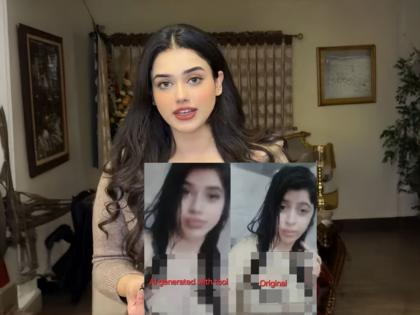
Alina clarified that the circulating clip is not real and has been digitally manipulated using artificial intelligence, describing it as a deliberate attempt to tarnish her image and exploit public curiosity.
Viral Video Sparks Online Confusion and Harassment
The controversy began when a video surfaced on social media, promoted through sensational captions suggesting it featured Alina Amir in a private situation. Within hours, the content spread rapidly, drawing attention from gossip pages, anonymous accounts, and unverified sources.
Despite the lack of credible evidence, the claims gained traction — a pattern increasingly seen in cases involving public figures and AI-generated misinformation.
Alina Amir Speaks Out Against False Allegations
Breaking her silence, Alina Amir addressed her followers directly, stating that the video was entirely fake and created using deepfake technology. She emphasized that she had no connection to the content being circulated and warned users against believing or sharing unverified material.
The influencer described the incident as emotionally distressing, pointing out how easily manipulated visuals can damage reputations, especially for women in the public eye.
Call for Action Against AI-Based Digital Abuse
Beyond denying the claims, Alina urged law enforcement agencies and cybercrime authorities to take strict action against those creating and distributing such content. She highlighted the urgent need for stronger regulations to control the misuse of AI tools that are increasingly being weaponized for harassment and defamation.
She also appealed to social media users to act responsibly, stressing that forwarding unverified content contributes to the spread of digital harm.
Deepfake Technology and Rising Online Threats
Experts warn that deepfake technology has reached a level where fake videos can appear highly convincing, making it difficult for viewers to distinguish truth from fabrication. Such content is often used to generate clicks, spread misinformation, or target individuals for harassment.
Cases like Alina Amir’s underline the growing challenge of digital safety, where reputational damage can occur within minutes due to viral misinformation.
Public Support and Awareness Drive
Following her statement, Alina Amir received widespread support from fans and fellow content creators, many of whom echoed her concerns about online safety and ethical technology use.
The incident has sparked broader discussions on digital literacy, urging users to verify content before sharing and to recognize the dangers posed by AI-generated misinformation.
The Alina Amir viral video controversy serves as a stark reminder of how rapidly AI deepfakes and false narratives can spread in today’s digital ecosystem. While technology continues to evolve, responsibility lies equally with creators, platforms, authorities, and users to ensure ethical usage.
As investigations continue, the case stands as a crucial example of why awareness, verification, and accountability are essential in combating digital harassment and misinformation.