

Actor and former Bigg Boss contestant Ajaz Khan has once again found himself at the center of a social media storm. A video purportedly showing Khan in a private moment began trending on Instagram and other platforms under the tag “Ajaz Khan MMS Leak.” Search interest for the alleged clip spiked rapidly, leaving fans and netizens debating its authenticity. Social media feeds flooded with posts claiming to show Khan in a compromising situation, raising questions about whether the MMS is real or just another internet hoax.
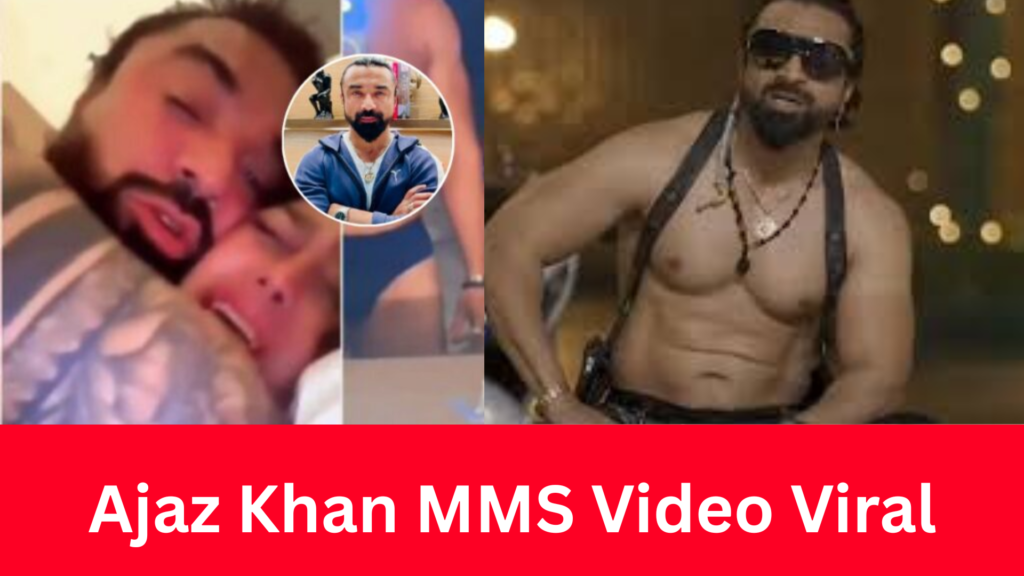
Initial investigations suggest that the viral content is not genuine. Multiple posts containing thumbnails of Khan with a woman redirect users to suspicious websites rather than any actual video. These links are designed to exploit curiosity, drawing clicks while often pushing ads, fake apps, or subscription traps. Experts warn that such “MMS leak” scams are common online, using celebrities’ names to lure users into phishing schemes or malware distribution.
Digital security analysts describe the trend as a marketing funnel disguised as a scandal. Using sensational headlines, blurred images, and precise keywords like “MMS leak,” scammers manipulate social media algorithms to maximize clicks. These campaigns can target both celebrities and ordinary users. Once clicked, users may face malware, forced subscriptions, or data breaches.
This is not the first time Khan’s name has been linked to a viral MMS. In April 2025, another clip claiming to show the actor in a “threesome” scenario circulated widely. Media investigations later revealed it to be a publicity stunt tied to his reality show, House Arrest on the Ullu app. The earlier controversy highlighted how fake MMS narratives can quickly gain traction, drawing attention to entertainment projects or misleading digital campaigns.
Recent trends have also shown strange timestamps like “19:34” or “12:46” used in posts to bypass social media safety filters. Other codewords such as “Umair 7:11,” “5:39,” “Marry Astar,” and “Fatima Jatoi” were later identified as scams. Analysts say these tactics exploit human curiosity, encouraging users to click unsafe links.
ALSO READ: 6-Minute 39-Second Fatima Jatoi Viral MMS: Fact Check Finds No Authentic Video
Cybersecurity experts advise netizens to avoid clicking on links claiming celebrity MMS leaks, verify sources before sharing sensitive content, report suspicious posts to social media platforms, and use trusted apps and official announcements for updates. These precautions help prevent malware attacks, phishing, and scams while safeguarding digital privacy.
Actor Ajaz Khan’s alleged MMS video went viral on social media, but early investigations indicate the content is fake or AI-generated. The links circulating are clickbait, phishing, or malware traps. Similar tactics have been used in previous controversies involving Khan and other influencers. Users are urged to exercise caution and avoid interacting with unverified content.
The Ajaz Khan MMS controversy serves as a reminder of how quickly fake content can spread online, especially when celebrity names are involved. While curiosity drives virality, careful verification and awareness remain crucial in combating digital scams.